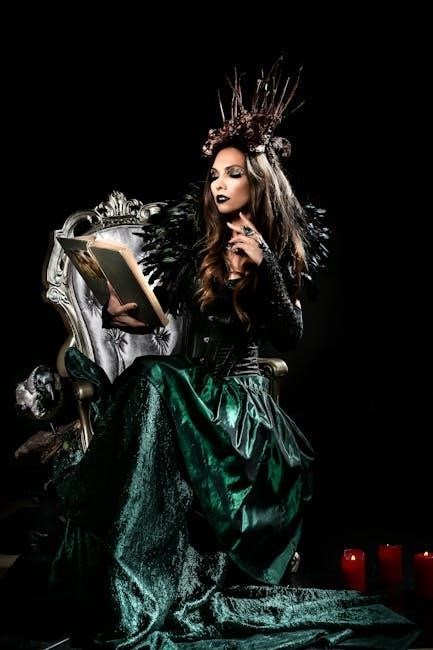
Witchcraft: A Global Overview (December 16‚ 2025)
Today‚ December 16‚ 2025‚ reveals a resurgence of witchcraft beliefs‚ particularly among younger Americans‚ alongside ongoing‚ tragic accusations and violence globally. Legislation protecting against these harmful practices remains underutilized.
Historical Roots of Witchcraft Beliefs
Belief in witchcraft isn’t a modern phenomenon; its roots stretch deep into human history‚ predating organized religion. Early understandings of misfortune often attributed unexplained events – illness‚ crop failure‚ natural disasters – to supernatural forces‚ and individuals perceived as wielding those forces. These beliefs weren’t necessarily negative initially‚ often encompassing healers and those with specialized knowledge of the natural world.
However‚ as societies developed‚ these early beliefs evolved‚ often becoming intertwined with anxieties about social order and religious orthodoxy. The concept of a “witch” as a malevolent figure actively harming others gained prominence. Ancient civilizations‚ including those in Mesopotamia and Egypt‚ possessed complex systems of magic and beliefs about harmful spells and curses.
Classical antiquity saw similar beliefs‚ with figures like Circe and Medea embodying powerful‚ often dangerous‚ magical abilities. These early conceptions laid the groundwork for later European interpretations. The pre-Christian beliefs of various European cultures‚ often centered around animism and reverence for nature‚ also contributed to the evolving understanding of witchcraft‚ creating a complex tapestry of folklore and superstition that would later fuel the witch hunts.
Pre-Modern European Witch Hunts
The pre-modern European witch hunts‚ peaking between the 15th and 18th centuries‚ represent a dark chapter in history. Driven by a confluence of factors – religious upheaval following the Reformation‚ social anxieties stemming from famine and disease‚ and the rise of centralized legal systems – these hunts resulted in the persecution and execution of tens of thousands of individuals‚ predominantly women.
Initially‚ accusations often centered on harmful magic‚ like causing illness or crop failure. However‚ the development of the “witchcraft stereotype” – associating witchcraft with Satanic pacts and nocturnal gatherings (the Sabbath) – dramatically escalated the severity of accusations. The Malleus Maleficarum (Hammer of Witches)‚ a 15th-century treatise‚ became a key text for witch hunters‚ solidifying these beliefs and providing guidelines for identifying and prosecuting witches.
Trials were often based on flimsy evidence‚ including spectral evidence (visions and dreams) and coerced confessions obtained through torture. Local authorities‚ driven by fear and religious zeal‚ actively sought out and prosecuted suspected witches‚ contributing to widespread panic and social disruption. While the hunts eventually subsided‚ their legacy continues to resonate today‚ serving as a cautionary tale about the dangers of mass hysteria and religious extremism.
Witchcraft in African Societies
Witchcraft beliefs are deeply embedded in many African societies‚ often differing significantly from Western conceptions. Historically‚ witchcraft wasn’t necessarily viewed as inherently evil‚ but rather as a force – sometimes ambiguous – capable of both harm and healing. It frequently relates to social tensions‚ misfortune‚ and unexplained events within communities.
However‚ in contemporary Africa‚ accusations of witchcraft frequently lead to severe consequences‚ including ostracism‚ violence‚ and even death. These accusations disproportionately target vulnerable individuals‚ particularly women‚ the elderly‚ and those with disabilities. The belief persists that witches cause illness‚ poverty‚ and misfortune‚ leading to vigilante justice and a breakdown of legal processes.
A pan-African response is urgently needed to address this issue‚ as highlighted by advocacy groups. The problem is exacerbated by a lack of education‚ poverty‚ and weak governance. In some regions‚ like Uganda‚ political rivalries can even fuel witchcraft accusations‚ as demonstrated by incidents involving refusal of physical contact. Furthermore‚ harmful traditional practices‚ such as Female Genital Mutilation (FGM)‚ are sometimes linked to witchcraft beliefs‚ creating a complex web of interconnected issues.
Modern Witchcraft Movements (Wicca & Neo-Paganism)
Modern witchcraft‚ particularly as embodied in Wicca and broader Neo-Pagan movements‚ represents a significant departure from traditional African witchcraft beliefs and historical European witch hunts. Emerging in the mid-20th century‚ Wicca is a religion centered on reverence for nature‚ polytheism (often honoring a God and Goddess)‚ and the practice of magic.
Unlike the often-fearful associations with witchcraft in other contexts‚ Wicca emphasizes personal empowerment‚ ethical responsibility‚ and harmony with the natural world. It’s a consciously reconstructed tradition‚ drawing inspiration from various historical sources but forging a new spiritual path. Neo-Paganism encompasses a wider range of earth-based religions‚ sharing similar values with Wicca but exhibiting greater diversity in beliefs and practices.
The growing fascination with witchcraft‚ fueled by popular culture like “Harry Potter” and “Lord of the Rings‚” has contributed to the resurgence of these movements. Younger generations are increasingly drawn to witchcraft’s emphasis on self-discovery‚ spirituality‚ and connection to the earth. This modern iteration often focuses on personal growth and positive manifestation‚ contrasting sharply with accusations of harmful magic found elsewhere.
Witchcraft and Religious Freedom
The intersection of witchcraft and religious freedom presents a complex and often overlooked challenge. While many modern witchcraft practices‚ like Wicca and Neo-Paganism‚ are legitimate religious expressions deserving of protection‚ the issue becomes fraught when considering accusations of witchcraft in other cultural contexts.
Historically‚ and continuing today in some regions‚ accusations of witchcraft are used to justify violence‚ discrimination‚ and even extrajudicial killings. Framing witch-hunting as a religious freedom issue requires careful consideration. Protecting the right to practice a religion should not equate to protecting the right to harm others based on accusations of witchcraft.
Advocates argue that individuals accused of witchcraft should be afforded the same legal protections as those facing any other form of persecution. However‚ the deeply ingrained cultural beliefs surrounding witchcraft often hinder fair legal processes. Balancing religious freedom with the need to protect vulnerable populations from violence and harmful traditional practices remains a critical global concern‚ demanding nuanced legal and social responses.
Witchcraft as a Social Phenomenon
Witchcraft’s enduring presence transcends mere superstition; it functions as a powerful social phenomenon‚ reflecting anxieties‚ power dynamics‚ and societal shifts. Throughout history‚ accusations of witchcraft have often targeted marginalized groups – frequently women – serving as a means of social control and reinforcing existing hierarchies.
The recent resurgence of interest in witchcraft‚ particularly among younger generations‚ suggests a broader dissatisfaction with mainstream institutions and a search for alternative spiritual paths. This isn’t simply about a fascination with magic‚ but a desire for agency‚ connection to nature‚ and a rejection of traditional patriarchal structures.
Furthermore‚ belief in witchcraft can be understood as a way to explain misfortune and navigate uncertainty in a complex world. In communities where access to healthcare or legal recourse is limited‚ witchcraft accusations can provide a framework for understanding illness‚ conflict‚ and social disruption. Studying witchcraft‚ therefore‚ offers valuable insights into the underlying social and psychological needs it addresses.
The Resurgence of Witchcraft Among Younger Generations
A notable trend is the increasing embrace of witchcraft by Millennials and Generation Z. Research indicates a growing number of younger Americans express belief in witchcraft and luck‚ diverging from previous generational patterns. This isn’t necessarily a return to traditional‚ folkloric practices‚ but rather a reimagining of witchcraft through a modern lens.
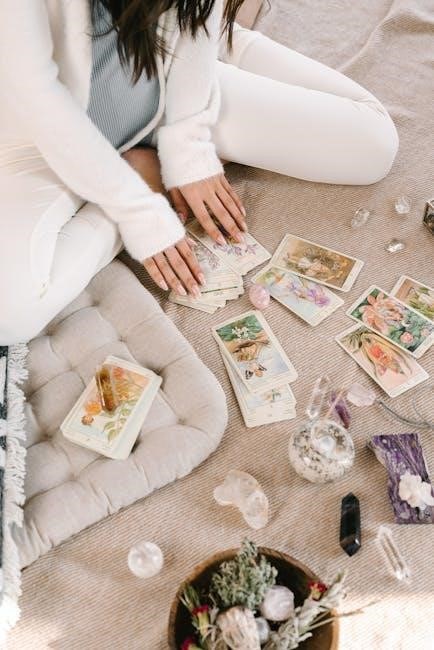
This resurgence is fueled by several factors‚ including disillusionment with conventional religion‚ a desire for spiritual autonomy‚ and the accessibility of information through online communities. Platforms like TikTok and Instagram have become hubs for sharing witchcraft knowledge‚ rituals‚ and aesthetics‚ fostering a sense of belonging and empowerment.
The appeal also lies in witchcraft’s emphasis on personal power‚ self-discovery‚ and connection to the natural world. It offers a framework for ethical living‚ social justice‚ and challenging societal norms. This modern witchcraft often incorporates elements of feminism‚ environmentalism‚ and LGBTQ+ activism‚ resonating with younger generations’ values.
Witchcraft and Gender: A Disproportionate Impact

Historically and contemporarily‚ accusations of witchcraft overwhelmingly target women. This deeply rooted gender bias stems from societal perceptions linking women to nature‚ the body‚ and the domestic sphere – areas often associated with perceived threats to patriarchal structures. Throughout European witch hunts‚ the vast majority of those accused were female‚ often marginalized individuals like midwives or healers.
Today‚ this disproportionate impact continues in many parts of the world‚ particularly in Africa‚ where women are frequently accused of causing misfortune or illness. These accusations are often linked to existing power imbalances‚ economic hardship‚ and social tensions. Women accused of witchcraft face severe consequences‚ including ostracism‚ violence‚ and even death.
Furthermore‚ the association of witchcraft with femininity can reinforce harmful stereotypes and limit women’s agency. Combating witchcraft-related violence requires addressing underlying gender inequalities and challenging patriarchal norms that perpetuate these harmful beliefs. Protecting women is central to ending these practices.
Witchcraft-Related Violence and Accusations Today
Despite global progress‚ thousands are wrongly accused of witchcraft annually‚ often facing fatal consequences; Contemporary accusations aren’t relics of the past; they persist across Africa‚ Asia‚ and even within diaspora communities worldwide. These accusations frequently arise from social anxieties‚ economic hardship‚ or political rivalries‚ serving as scapegoating mechanisms.
In Uganda‚ for example‚ instances of refusing handshakes due to fear of “evil spirits” demonstrate the continued belief in harmful magic. Such beliefs can escalate into violent attacks‚ mob justice‚ and extrajudicial killings. Accusations often target vulnerable individuals – the elderly‚ those with disabilities‚ or those perceived as social outsiders.
The lack of legal recourse and enforcement exacerbates the problem. While legislation exists in some regions to criminalize witchcraft accusations and related violence‚ it’s rarely utilized effectively. This impunity emboldens perpetrators and leaves victims without protection. Urgent pan-African responses and international advocacy are crucial to address this ongoing crisis.
Legal Frameworks and Protection Against Witchcraft Accusations
Existing legal frameworks designed to combat witchcraft-related violence are often inadequate and rarely enforced‚ despite the continued prevalence of harmful accusations and their fatal consequences. Many nations lack specific legislation addressing the issue‚ relying instead on broader laws concerning assault‚ murder‚ or public order.
Where laws do exist‚ challenges remain in their implementation. Limited resources‚ corruption‚ and societal acceptance of witchcraft beliefs hinder effective prosecution of perpetrators. Furthermore‚ proving malicious intent behind accusations can be difficult‚ particularly in communities where belief in witchcraft is deeply ingrained.
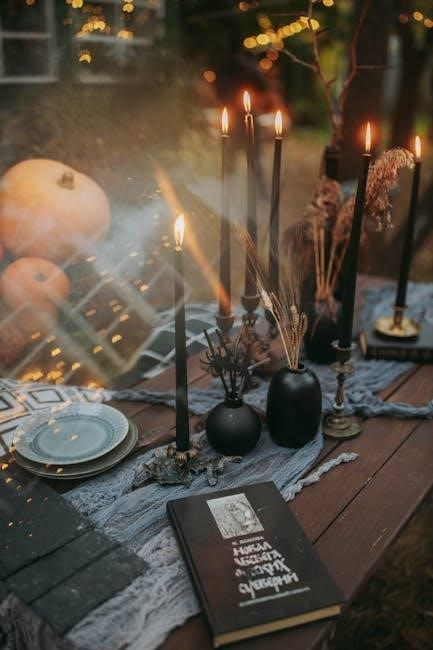
Advocacy groups are pushing for stronger legal protections‚ including the repeal of witchcraft laws that criminalize belief itself‚ and the enactment of laws specifically addressing violence and discrimination stemming from witchcraft accusations. Crucially‚ these efforts must be coupled with education and awareness campaigns to challenge harmful beliefs and promote tolerance. Improved access to justice and witness protection programs are also vital.
Witchcraft and Harmful Traditional Practices (FGM)
A disturbing correlation exists between beliefs in witchcraft and the continuation of harmful traditional practices‚ most notably Female Genital Mutilation (FGM). In regions like Guinea‚ where FGM prevalence remains alarmingly high – nearly all girls are subjected to the practice – witchcraft beliefs significantly impede eradication efforts.
Campaigners report that accusations of witchcraft are often used to justify or enforce FGM. The belief that a girl’s sexuality poses a threat‚ or that FGM protects against witchcraft‚ fuels the continuation of this brutal practice. Traditional practitioners may claim they are removing “witchcraft elements” through mutilation.

Addressing this complex link requires a multifaceted approach. Interventions must challenge both witchcraft beliefs and the social norms that perpetuate FGM. Empowering women and girls through education‚ economic opportunities‚ and legal protection is crucial. Furthermore‚ community-led dialogues are needed to dismantle harmful traditions and promote alternative rites of passage that do not involve violence.
The Role of Advocacy Groups in Combating Witch Hunts
Advocacy groups play a vital‚ often under-recognized‚ role in combating the global phenomenon of witch hunts. Organizations like Advocacy for the Rights of Accused Persons (ARAP) are actively working to protect individuals wrongly accused of witchcraft‚ often facing fatal consequences. These groups provide legal assistance‚ psychosocial support‚ and raise awareness about the dangers of these harmful beliefs.
A key function is documenting cases of witchcraft-related violence and advocating for legislative reforms. Despite existing laws designed to curb these practices‚ enforcement is frequently lacking. Advocacy groups push for greater accountability and the effective implementation of protective legislation.
Furthermore‚ they engage in community outreach‚ challenging deeply ingrained superstitions and promoting education about human rights. This includes working with traditional leaders and religious figures to foster tolerance and dispel harmful myths. The urgent need for a pan-African response to witch-hunting is a central tenet of their work‚ recognizing the widespread nature of the problem across the continent.
Cultural Variations in Witchcraft Beliefs
Witchcraft beliefs exhibit remarkable diversity across the globe‚ shaped by unique historical‚ social‚ and religious contexts. In African societies‚ accusations often center around misfortune‚ illness‚ or death‚ attributing them to malicious spiritual forces wielded by alleged witches. These beliefs frequently intertwine with traditional healing practices and ancestral veneration.
Conversely‚ modern witchcraft movements‚ like Wicca and Neo-Paganism‚ represent a conscious revival of pre-Christian spiritual traditions‚ emphasizing reverence for nature and personal empowerment. This differs drastically from the fear-based accusations prevalent in other regions.
Even within Africa‚ variations exist; in Uganda‚ a simple gesture like refusing a handshake can be misinterpreted as a sign of witchcraft‚ escalating into conflict. Guinea demonstrates a disturbing link between witchcraft beliefs and harmful traditional practices like Female Genital Mutilation (FGM)‚ where accusations reinforce existing patriarchal structures. Understanding these nuanced cultural differences is crucial for effective intervention and protection.
Witchcraft in Popular Culture and Media
Witchcraft’s portrayal in popular culture has undergone a significant evolution‚ profoundly influencing public perception. From classic depictions of wicked witches in fairy tales to the more nuanced and empowering representations in modern media‚ the image of the witch is constantly being reshaped.
Growing up‚ many are captivated by the supernatural thrill of witchcraft‚ fueled by fantasies found in works like Harry Potter and Lord of the Rings. These narratives often romanticize magical abilities‚ fostering a sense of wonder and fascination. However‚ this romanticization can sometimes overshadow the real-world dangers faced by those accused of witchcraft.
The media plays a crucial role in disseminating these images‚ both positive and negative. While fictional portrayals can spark interest‚ they also risk perpetuating harmful stereotypes. It’s vital to distinguish between fantasy and the very real violence and persecution experienced by individuals wrongly accused of witchcraft in various parts of the world‚ demanding a critical engagement with these cultural representations.

Psychological Perspectives on Belief in Witchcraft
Belief in witchcraft‚ despite advancements in scientific understanding‚ persists globally‚ prompting psychological inquiry into its underlying causes. Several factors contribute to these beliefs‚ including a fundamental human need to explain misfortune and exert control over unpredictable events. Attributing negative occurrences to witchcraft can provide a sense of agency‚ even if illusory.

Cognitive biases‚ such as confirmation bias – the tendency to seek information confirming pre-existing beliefs – also play a role. Individuals predisposed to believe in witchcraft may selectively interpret events to support their convictions. Furthermore‚ cultural transmission and social learning contribute to the perpetuation of these beliefs across generations.
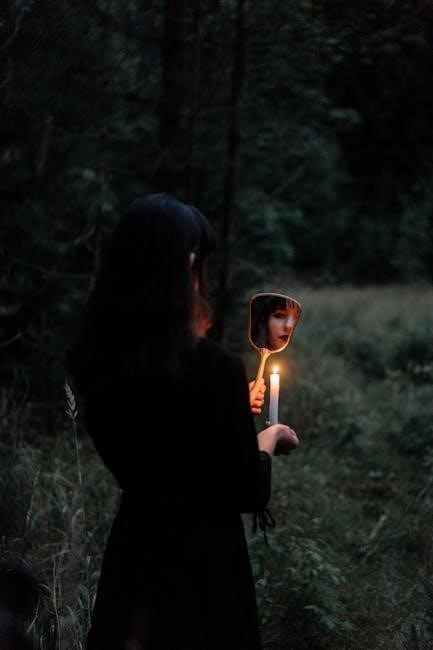
The psychological impact on both accusers and the accused is significant. Accusations often stem from anxieties‚ social tensions‚ and scapegoating mechanisms. For those falsely accused‚ the consequences can be devastating‚ leading to trauma‚ ostracism‚ and even violence. Understanding these psychological dynamics is crucial for addressing the root causes of witchcraft-related harm.