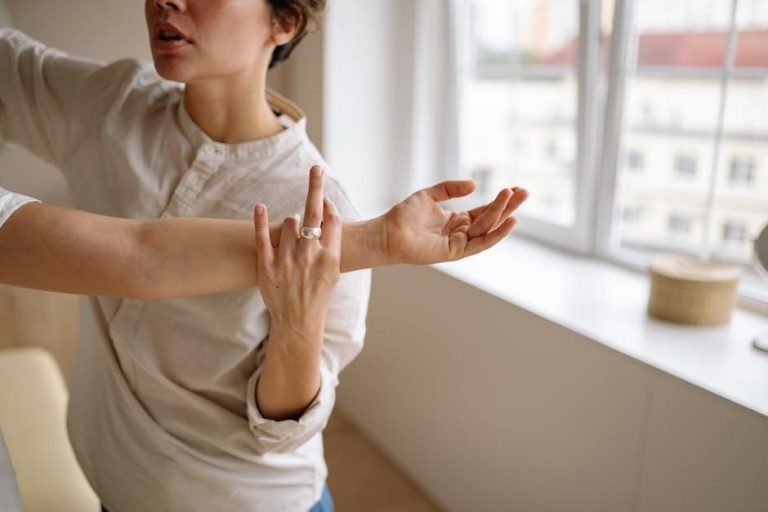
Scoliosis Physiotherapy Exercises: A Comprehensive Guide
Recent research highlights PSSE’s ability to stabilize deformity and enhance life quality, though no single technique definitively outperforms others.
Digital support aids home-based programs, offering a potentially more effective approach than conventional methods.
Understanding Scoliosis
Scoliosis, characterized by an abnormal curvature of the spine, demands a nuanced understanding for effective management. Physiotherapy, particularly Scoliosis-Specific Exercises (PSSE), plays a crucial role, aiming to halt progression and improve quality of life. Current evidence suggests PSSE stabilizes spinal deformity, though identifying a superior technique remains elusive.
The “wait and see” approach often frustrates parents, prompting a need for proactive interventions like observation, PSSE, and bracing – all accepted treatments by the International Society on Scoliosis Orthopaedic and Rehabilitation Treatment (SOSORT). Understanding the specific curve pattern – thoracic, lumbar, or double major – is vital for tailoring exercise programs.
PSSE differs from traditional physiotherapy, focusing on three-dimensional correction. Effective management requires a collaborative approach, integrating bracing when necessary, and continuous monitoring of progress through regular assessments. Early intervention is key, especially during adolescent growth spurts.
What is Scoliosis?
Scoliosis isn’t simply a curved spine; it’s a complex, three-dimensional deformity. It involves both lateral curvature and rotation of the vertebrae. This rotation is critical, differentiating scoliosis from a simple sideways bend. The curvature is measured in degrees – typically, a curve of 10 degrees or more is considered scoliosis.
Idiopathic scoliosis, the most common type, has no known cause, often appearing during adolescence. However, other types exist, linked to neuromuscular conditions or congenital vertebral abnormalities. Early detection is vital, as curves can progress rapidly during growth spurts.
Physiotherapy, specifically Scoliosis-Specific Exercises (PSSE), aims to address this complexity. PSSE focuses on derotating, flexing, and extending the spine, unlike traditional approaches. Understanding the specific curve pattern is paramount for effective exercise prescription, and digital tools can support home-based programs.
Types of Scoliosis
Scoliosis manifests in various forms, each requiring a nuanced approach to physiotherapy. Idiopathic scoliosis, accounting for 80% of cases, develops without a clear cause, often during adolescence. Congenital scoliosis arises from vertebral malformations present at birth, potentially needing early intervention.
Neuromuscular scoliosis stems from conditions like cerebral palsy or muscular dystrophy, impacting muscle control and spinal stability. These cases often progress more rapidly. Curve patterns are also categorized: thoracic (upper back), lumbar (lower back), and double major curves, each demanding specific exercise strategies.
PSSE programs are tailored to the specific type and pattern. For example, exercises for a right thoracic curve differ significantly from those for a left lumbar curve. Digital resources can aid in understanding and performing these specialized movements at home, complementing in-clinic physiotherapy sessions.
Causes and Risk Factors
Scoliosis’s origins are often complex and multifactorial. While many cases are idiopathic – meaning no definitive cause is identified – several factors can contribute to its development. Genetic predisposition plays a role, with scoliosis sometimes running in families. Neuromuscular conditions, such as cerebral palsy and muscular dystrophy, significantly increase risk.

Congenital abnormalities in the spine, present from birth, can also lead to curvature. Growth spurts during adolescence are a critical period, as rapid changes can exacerbate existing tendencies. Early diagnosis is crucial, as the “wait and see” approach can be detrimental for progressing curves.
PSSE physiotherapy aims to address these underlying factors, improving spinal stability and preventing progression. Digital resources can help patients understand their individual risk factors and adhere to tailored exercise programs.
The Role of Physiotherapy in Scoliosis Management
Physiotherapy is a cornerstone of scoliosis management, offering a non-invasive approach to address spinal curvature and associated complications. Scoliosis-Specific Exercises (PSSE) are particularly valuable, focusing on correcting the three-dimensional deformity. These exercises aim to halt progression during adolescence, prevent respiratory dysfunction, and alleviate spinal pain.
PSSE differs from traditional physiotherapy by targeting the unique curve patterns of each individual. Digital platforms enhance accessibility and adherence to home exercise programs, offering guidance and monitoring. Early intervention is key, with physiotherapy often recommended alongside, or even before, bracing.
The goal isn’t always curve correction, but stabilization and improved quality of life. Research indicates PSSE improves patient outcomes, though the optimal technique remains under investigation.
Goals of Scoliosis Physiotherapy
Scoliosis physiotherapy aims to achieve multiple objectives, extending beyond simply reducing the Cobb angle. Primary goals include halting the progression of curvature, particularly during the rapid growth phases of adolescence. Preventing respiratory dysfunction is crucial, as scoliosis can restrict lung capacity.
Pain management is another key focus, addressing spinal pain syndromes often associated with the condition. Postural correction improves aesthetics and body mechanics, enhancing self-image and function. PSSE techniques strive to stabilize the spine and improve overall spinal health.
Ultimately, physiotherapy seeks to optimize the patient’s quality of life, promoting independence and participation in daily activities. Digital support aids in achieving these goals through consistent, home-based exercise routines.
When to Start Physiotherapy
Early intervention is increasingly recommended, challenging the historical “wait and see” approach often employed for mild scoliosis curves between 10 and 25 degrees. Initiating physiotherapy, specifically Scoliosis Specific Exercises (PSSE), can be beneficial even before bracing is considered, aiming to address the curve proactively.
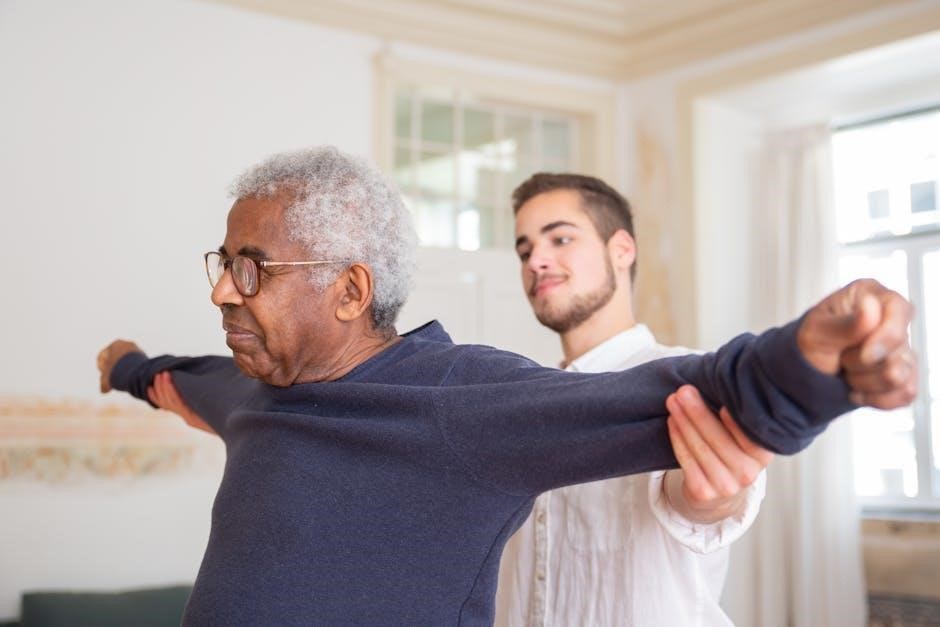
Current guidelines, supported by organizations like SOSORT, recognize observation, PSSE, and bracing as accepted therapeutic interventions during growth. Starting physiotherapy soon after diagnosis allows for establishing a consistent exercise routine and potentially halting or slowing curve progression.
However, the optimal timing depends on individual factors, including curve magnitude, skeletal maturity, and patient motivation. A comprehensive assessment by a qualified physiotherapist is essential to determine the most appropriate course of action.
Scoliosis-Specific Exercises (PSSE)
Scoliosis-Specific Exercises (PSSE) represent a targeted approach to physiotherapy, differing from traditional methods by addressing the three-dimensional nature of scoliosis. These exercises are tailored to each patient’s unique curve pattern, focusing on derotation, flexion, and axial elongation of the spine.
Unlike general back exercises, PSSE aims to correct the spinal deformity directly, rather than simply strengthening surrounding muscles. A comprehensive review identifies seven major schools of PSSE, each with distinct techniques, yet sharing the common goal of stabilizing the spine and improving function.
PSSE seeks to halt curve progression, prevent respiratory dysfunction, manage pain, and enhance postural aesthetics. Evidence suggests PSSE can stabilize spinal deformity and improve quality of life, though further research is needed to compare the effectiveness of different schools.
PSSE vs. Traditional Physiotherapy
Traditional physiotherapy for scoliosis often focuses on general strengthening and stretching, aiming to improve flexibility and reduce pain; However, it frequently lacks the specificity needed to address the complex, three-dimensional nature of the spinal curve. PSSE, conversely, is highly individualized, directly targeting the curve with exercises designed for derotation, flexion, and axial elongation.
While traditional methods can be beneficial for managing symptoms, PSSE aims to correct the underlying deformity. The core difference lies in the approach: traditional physiotherapy treats the effects of scoliosis, while PSSE addresses the cause.
Research indicates that PSSE can stabilize spinal deformity and improve patient quality of life, suggesting a potentially more effective approach than conventional techniques. However, it’s important to note that more research is needed to definitively confirm the advantages of one method over the other.
Seven Major Schools of PSSE
Scoliosis-Specific Exercises (PSSE) aren’t a single, standardized protocol, but rather encompass several distinct schools, each with unique philosophies and techniques. A comprehensive review identifies seven major approaches, each developed by leading experts in the field. These include the Barcelona Scoliosis Physical Therapy School (BSPTS), the Scientific Exercises Approach to Scoliosis (SEAS), and the Lyon Approach.
Other prominent schools are the Boston Method, the Milwaukee Method, the Charleston Method, and the Dobomed Method. Each school employs specific exercise sets and assessment procedures tailored to individual curve patterns. Despite variations, all PSSE schools share a common goal: to actively correct the scoliosis curve through targeted, three-dimensional exercises.
Currently, evidence is insufficient to definitively claim one school is superior to others, highlighting the need for further research to compare their effectiveness.
Key Exercises for Different Curve Patterns
PSSE tailors exercises to specific scoliosis curve patterns, recognizing that a one-size-fits-all approach is ineffective. For right thoracic curves, exercises often focus on left lateral flexion and rotation, aiming to de-rotate the spine and improve rib cage flexibility. Conversely, individuals with left lumbar curves typically benefit from right lateral flexion and rotational movements.
Double major curves – those with significant curvature in both the thoracic and lumbar regions – require a more complex exercise regimen. These programs address both curve components simultaneously, often incorporating asymmetrical exercises to correct spinal imbalances. Exercises may include Schroth-based breathing techniques combined with postural corrections.
Effective programs emphasize core stabilization, postural awareness, and specific movements designed to address the unique characteristics of each patient’s curve.
Exercises for Right Thoracic Curves
For right thoracic curves, physiotherapy focuses on addressing spinal asymmetry and improving respiratory function. Key exercises emphasize left lateral flexion, aiming to elongate the right side of the trunk and create space for lung expansion. Rotational breathing techniques are crucial, encouraging expansion into the concave side of the curve – the right thorax – while simultaneously de-rotating the spine.
Specific movements might include asymmetrical arm and leg raises, coupled with controlled breathing, to challenge the curve and promote postural correction. Schroth method principles are often applied, utilizing postural corrections held during respiration. Strengthening exercises for the core and back muscles are also vital for stabilization.
The goal is to improve spinal alignment, enhance breathing capacity, and prevent curve progression through targeted, curve-specific movements.
Exercises for Left Lumbar Curves
Addressing left lumbar curves requires a physiotherapy approach focused on restoring spinal balance and strengthening core musculature. Exercises prioritize right lateral flexion and rotation, aiming to de-rotate and elongate the left lumbar region. Asymmetrical loading, such as single-leg stands with controlled trunk shifts, challenges the curve and encourages postural adaptation.
Breathing techniques are integrated to expand the right side of the ribcage, counteracting the compressive forces on the left lumbar spine. PSSE often incorporates specific exercises to address the three-dimensional nature of the curve, including postural corrections held during respiration. Core stabilization exercises, like pelvic tilts and abdominal bracing, are essential for supporting the spine.
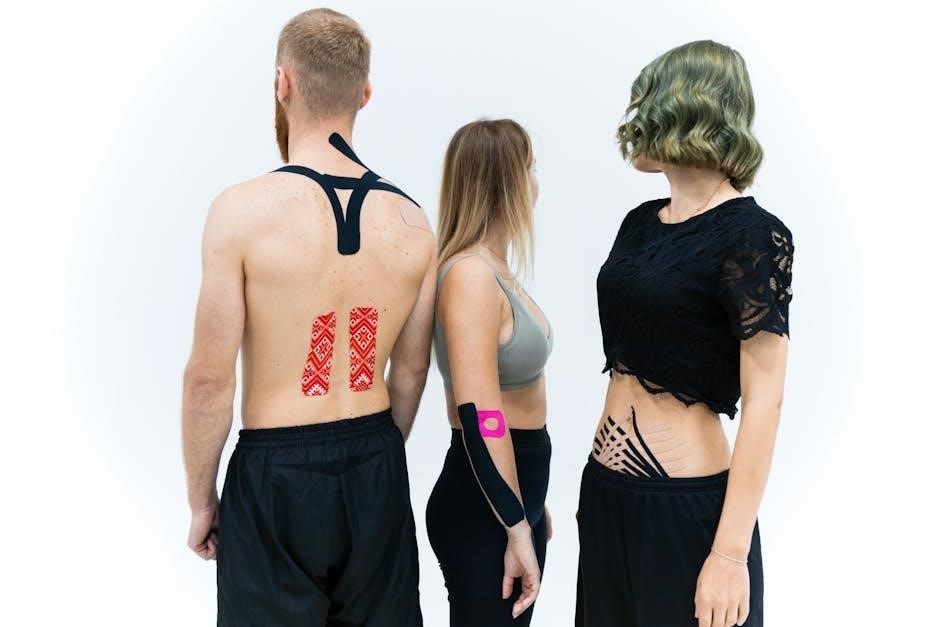
The objective is to improve spinal alignment, reduce pain, and prevent further curvature progression through targeted movement and strengthening.
Exercises for Double Major Curves
Managing double major curves – those with significant thoracic and lumbar components – demands a highly individualized physiotherapy program. PSSE protocols emphasize a multi-planar approach, addressing both curves simultaneously to restore spinal balance. Exercises focus on achieving symmetrical rib cage expansion and promoting spinal elongation in all three dimensions.
Specific movements target de-rotation and correction of each curve, often involving asymmetrical loading and controlled trunk movements. Breathing exercises are crucial, coordinating with postural adjustments to maximize rib cage mobility and lung capacity. Core stabilization is paramount, strengthening muscles to support the spine against gravitational forces.
The goal is to reduce spinal asymmetry, improve postural alignment, and prevent curve progression through a comprehensive and tailored exercise regimen.
Home-Based Exercise Programs
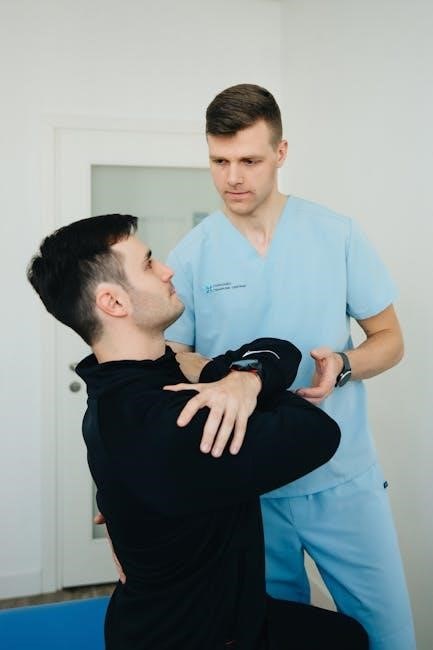
Effective scoliosis management increasingly relies on consistent, home-based exercise programs. These programs, often utilizing PSSE principles, empower patients to actively participate in their treatment. Digital platforms and resources are becoming invaluable, providing guided exercises and remote monitoring capabilities.
A successful program requires clear instruction, detailed visual aids (videos are ideal), and a schedule tailored to the individual’s curve pattern and functional capacity. Emphasis is placed on proper form and controlled movements to maximize effectiveness and minimize risk of injury. Regular communication with a physiotherapist is vital for program adjustments.
Adherence is key; therefore, programs should be realistic and integrated into daily routines. Consistency, even with shorter, frequent sessions, yields better results than infrequent, lengthy workouts.
Creating a Safe and Effective Routine
Prioritizing safety is paramount when designing a scoliosis exercise routine. Begin with a thorough assessment by a qualified physiotherapist to identify specific curve patterns and individual limitations. Proper form takes precedence over the number of repetitions; focus on controlled movements and avoid pushing through pain.
A well-structured routine incorporates a warm-up, specific scoliosis exercises (PSSE techniques), and a cool-down. Gradual progression is crucial – start with fewer repetitions and lower intensity, gradually increasing as strength and flexibility improve. Listen to your body and modify exercises as needed.
Consistency is vital, aiming for regular sessions, even if brief. Avoid exercises that exacerbate pain or cause discomfort. Regular check-ins with your physiotherapist ensure the routine remains appropriate and effective.
Digital Support for Home Exercises
Digital platforms are increasingly valuable for reinforcing scoliosis physiotherapy at home. Randomized clinical trials demonstrate the potential of digitally supported, home-based exercise programs to be more effective than conventional approaches. These resources can include video demonstrations of exercises, ensuring correct form and technique.
Mobile applications and online portals offer personalized exercise plans, tracking progress, and providing reminders to maintain consistency. Interactive features can enhance engagement and motivation. Access to remote monitoring by a physiotherapist allows for adjustments to the program based on individual needs and performance.
PDF resources detailing exercises, alongside digital guidance, create a comprehensive support system. However, digital tools should supplement, not replace, professional guidance. Always consult with a qualified physiotherapist before starting any new exercise program.
Monitoring Progress and Adjusting the Program

Regular assessments are crucial to track the effectiveness of scoliosis physiotherapy. These evaluations, conducted by a qualified healthcare professional, involve measuring curve progression, assessing respiratory function, and monitoring pain levels. PDF resources can aid in self-monitoring between appointments, documenting exercise adherence and any experienced discomfort.
Adjustments to the exercise program are often necessary based on these assessments. Progression may involve increasing repetitions, adding resistance, or introducing more challenging exercises. Conversely, modifications may be needed if pain increases or curve progression accelerates.
Collaboration with the healthcare team ensures a personalized approach. Consistent communication regarding progress and challenges allows for timely interventions and optimization of the treatment plan. Remember, scoliosis management is a dynamic process requiring ongoing evaluation and adaptation.
Regular Assessments
Consistent monitoring is paramount in scoliosis physiotherapy. Regular assessments, typically every 3-6 months, involve clinical examinations and radiographic imaging to track curve progression. PDF guides detailing assessment parameters can empower patients to understand the evaluation process.
Clinical assessments include postural analysis, range of motion testing, and neurological evaluations. Radiographs (X-rays) provide precise measurements of the Cobb angle, quantifying the curvature. Respiratory function tests may also be conducted to assess the impact of scoliosis on lung capacity.
Detailed documentation of assessment findings is essential for tracking trends and informing treatment adjustments. PDF reports summarizing assessment results facilitate communication between the patient, physiotherapist, and other healthcare providers, ensuring a collaborative approach to care.
Collaboration with Healthcare Professionals
Effective scoliosis management necessitates a collaborative approach involving physiotherapists, orthopaedic surgeons, and primary care physicians. PDF resources outlining roles and communication protocols can streamline this process. Shared decision-making, informed by assessment findings and patient goals, is crucial.
Physiotherapists specialize in scoliosis-specific exercises (PSSE) and provide tailored exercise programs. Orthopaedic surgeons assess the need for bracing or surgical intervention. Primary care physicians offer overall medical management and coordinate care;
Regular communication ensures a cohesive treatment plan. PDF reports summarizing exercise progress and any concerns facilitate informed discussions. This interdisciplinary teamwork optimizes outcomes, addressing both the structural and functional aspects of scoliosis, ultimately enhancing the patient’s quality of life.
Bracing and Physiotherapy: A Combined Approach
Combining bracing with physiotherapy, particularly PSSE, offers a synergistic effect in scoliosis management. PDF guides detail protocols for integrating these treatments, optimizing outcomes during growth. Bracing aims to halt curve progression, while physiotherapy focuses on strengthening, postural correction, and improving respiratory function.
PSSE exercises performed while bracing can maintain muscle strength and flexibility, preventing deconditioning. PDF resources demonstrate exercises adaptable for braced patients. This proactive approach minimizes muscle atrophy and enhances brace tolerance.
Successful integration requires close communication between the orthotist and physiotherapist. PDF progress reports track both bracing compliance and exercise adherence. This combined strategy maximizes the benefits of each treatment modality, leading to improved spinal alignment and overall well-being.
The Role of Bracing
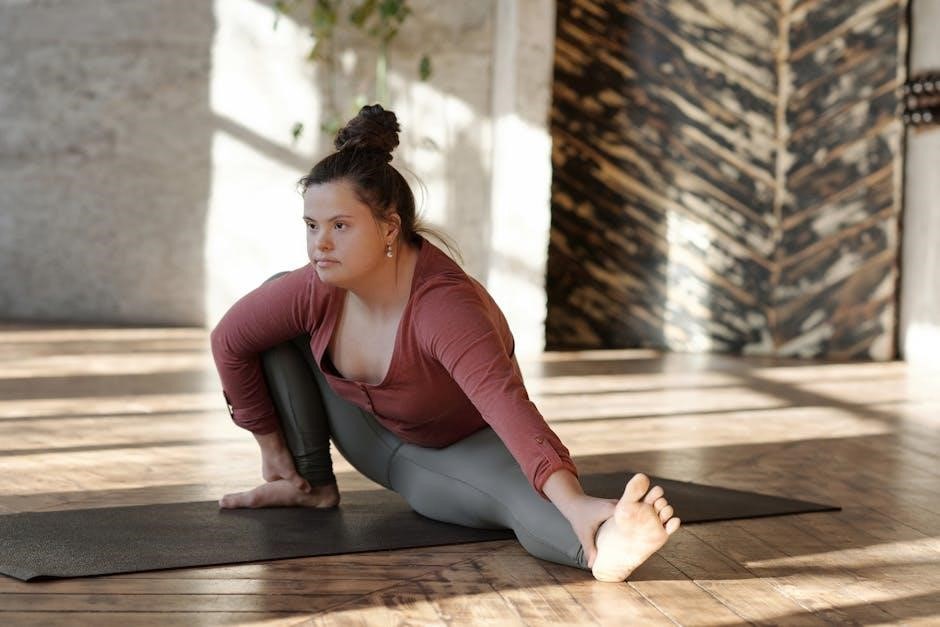
Bracing plays a crucial role in managing scoliosis, particularly during adolescent growth spurts; PDF guides outline various brace types and their applications, aiming to prevent curve progression. It’s often recommended for curves between 25 and 40 degrees, though decisions are individualized.
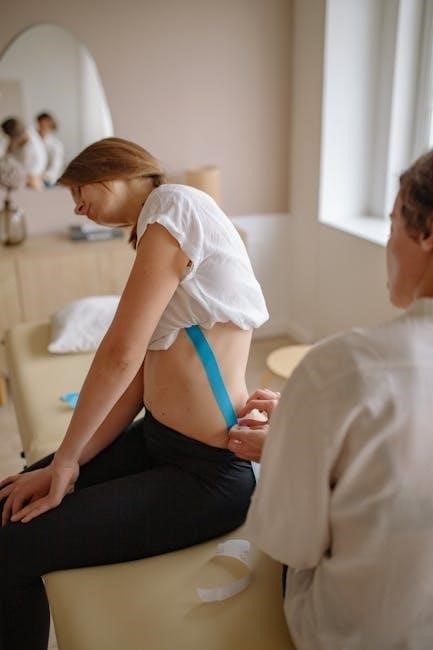
Braces don’t correct existing curves but work to halt their advancement. PDF resources detail proper brace fitting and wear schedules, typically 16-23 hours daily. Compliance is vital for effectiveness, and regular monitoring is essential.
Modern bracing focuses on low-profile designs for improved comfort and cosmetic acceptance. PDF materials often include patient education on brace care and potential skin irritation management. While bracing is effective, it’s frequently combined with physiotherapy for optimal results, as detailed in comprehensive PDF protocols.
Integrating Bracing with Exercise
Combining bracing and physiotherapy offers a synergistic approach to scoliosis management, as outlined in numerous PDF guides. PSSE, detailed in PDF resources, complements bracing by addressing muscle imbalances and postural control. Exercises performed while braced can enhance brace effectiveness and prevent muscle atrophy.
PDF protocols emphasize specific exercises to counteract brace-induced stiffness and maintain range of motion. These often include core stabilization, breathing exercises, and gentle stretching. It’s crucial to avoid exercises that could compromise the brace or exacerbate the curve.
PDF materials highlight the importance of a tailored program, developed by a qualified physiotherapist. Regular assessment, documented in PDF progress reports, allows for adjustments to both the exercise regimen and bracing schedule, optimizing treatment outcomes and ensuring patient comfort.
Long-Term Management and Prevention
Long-term scoliosis management, detailed in comprehensive PDF guides, extends beyond curve correction, focusing on maintaining spinal health and preventing progression. PDF resources emphasize consistent exercise, even after bracing or growth cessation, to reinforce postural muscles and improve spinal stability.
PSSE, as outlined in PDF protocols, plays a vital role in preventing curve recurrence and managing associated pain. PDF materials advocate for proactive strategies, including regular self-monitoring and adherence to a home exercise program.
PDF documents highlight the importance of lifestyle factors, such as maintaining a healthy weight and practicing good body mechanics. Ongoing physiotherapy, guided by PDF-based assessments, ensures continued support and adaptation of the exercise plan to evolving needs, promoting long-term well-being.
Maintaining Spinal Health
PDF guides on scoliosis physiotherapy emphasize that maintaining spinal health is a lifelong commitment, extending beyond active treatment phases. PSSE, detailed in these PDF resources, focuses on strengthening core muscles and improving postural awareness – crucial for long-term stability.
PDF materials advocate for incorporating regular, low-impact exercise into daily routines, such as swimming or walking, to support spinal function. Consistent adherence to a home exercise program, often outlined in PDF format, is paramount.
PDF documents also stress the importance of ergonomic principles in daily activities, like proper lifting techniques and workstation setup. Proactive self-management, guided by PDF-based education, empowers individuals to maintain spinal health and prevent future complications, ensuring a higher quality of life.
Preventing Progression of Curvature
Scoliosis physiotherapy exercises, as detailed in numerous PDF guides, aim to halt the progression of spinal curvature, particularly during adolescent growth spurts. PSSE, comprehensively covered in these PDF resources, utilizes specific, corrective movements to address the underlying asymmetry.
PDF materials emphasize early intervention, noting parental concerns regarding the “wait and see” approach. Consistent exercise, guided by PDF protocols, is presented as a viable alternative to observation alone, potentially preventing curve escalation.
PDF documents highlight the importance of tailored programs, recognizing that each scoliosis case is unique. Regular monitoring, alongside adherence to PDF-based exercise routines, allows for timely adjustments, maximizing the effectiveness of preventative measures and minimizing the risk of curve progression.