
The 2018 Hyundai Elantra offers a refined blend of comfort and technology. This manual covers essential vehicle functions, safety features, and maintenance tips to ensure optimal performance and longevity. Drivers will appreciate the infotainment system and the vehicle’s fuel‑efficient hybrid options.!!
Vehicle Model and Trim Overview
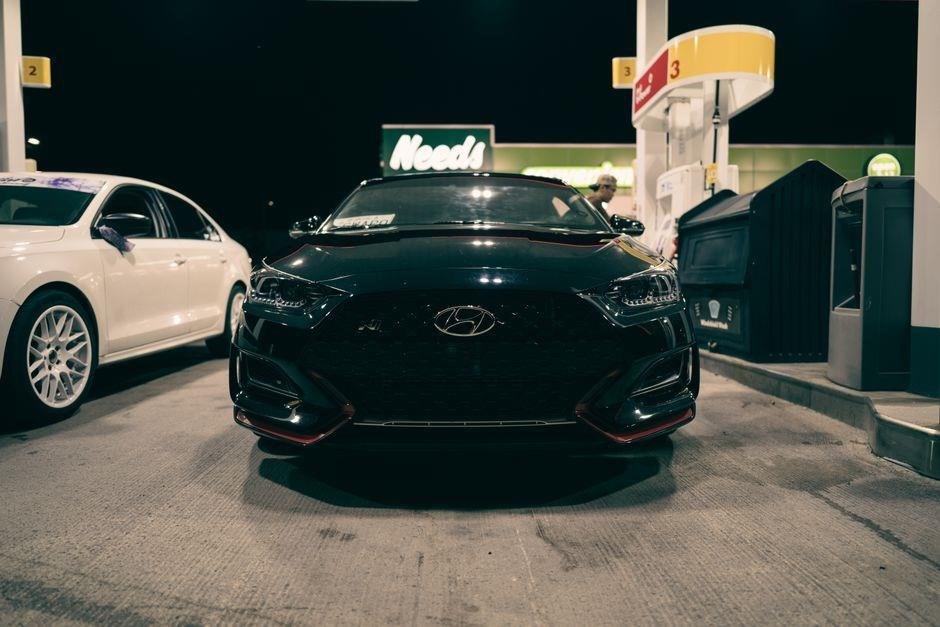
The 2018 Hyundai Elantra is available in several trims that cater to a range of driving preferences and budgets. The base SE trim offers a solid set of standard features, including a 2.0‑liter four‑cylinder engine, 16‑inch alloy wheels, a rear‑view camera, and a 7‑inch touchscreen with Apple CarPlay and Android Auto compatibility. The SEL trim adds a 1.8‑liter turbocharged engine, 17‑inch alloy wheels, automatic climate control, and a larger 8‑inch touchscreen. The limited SEL Premium trim further enhances the package with leather upholstery, a power‑tilt/slide moonroof, a 10‑inch infotainment display, and a premium audio system; For drivers who prioritize performance, the N Line trim features a 1.8‑liter turbocharged engine tuned for higher output, a sport‑tuned suspension, 18‑inch alloy wheels, and distinctive styling cues such as a blacked‑out grille and unique badging. The top‑tier Limited trim delivers a blend of luxury and technology, offering a 1.8‑liter turbocharged engine, 18‑inch alloy wheels, a 10‑inch touchscreen, a premium audio system, and advanced driver‑assist features such as blind‑spot monitoring and rear cross‑traffic alert. Each trim level is designed to provide a distinct driving experience while maintaining the Elantra’s reputation for reliability and fuel efficiency. Additionally, the 2018 Elantra’s interior is designed with controls, materials, and a cabin that enhances a driving experience for both short commutes and long journeys. In a refined cabin!! Enjoy!!!!
Key Features and Highlights
The 2018 Hyundai Elantra combines modern styling with practical technology; Its 2.0‑liter naturally aspirated engine delivers 147 horsepower, while the 1.8‑liter turbocharged option provides 201 horsepower for the SEL, SEL Premium, and N Line trims. The 6‑speed manual or 6‑speed automatic transmission is paired with front‑wheel drive, and the N Line offers a sport‑tuned suspension for sharper handling. A 7‑inch touchscreen with Apple CarPlay, Android Auto, and Bluetooth connectivity is standard on the SE, expanding to an 8‑inch or 10‑inch display on higher trims. Safety is emphasized with a rear‑view camera, forward‑collision warning, lane‑departure alert, and automatic emergency braking on SEL and above. The SEL Premium adds blind‑spot monitoring and rear cross‑traffic alert, while the Limited trim incorporates a 360‑degree camera system. Interior comfort features include dual‑zone automatic climate control, a power‑tilt/slide moonroof, and leather upholstery on SEL Premium and Limited. Fuel economy ranges from 28 mpg city/38 mpg highway to 26 mpg city/34 mpg highway for the base model to 26 mpg city/34 mpg highway for the turbocharged variants, making the Elantra a fuel‑efficient choice for daily driving. The vehicle’s compact dimensions and responsive steering provide an engaging driving experience, and the N Line’s distinctive styling cues—blackened‑out grille, unique badging, and 18‑inch alloy wheels—set it apart from the rest. Overall, the 2018 Elantra offers a mix of performance, safety, and tech that appeals to a audience.
Safety Information
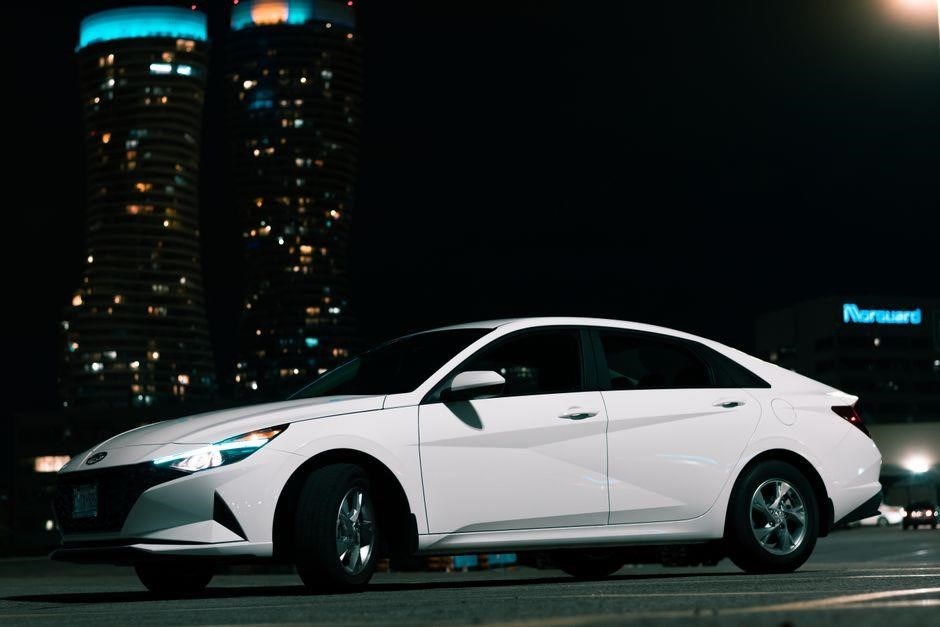
Hyundai Elantra 2018 uses dual front airbags, side‑air bags, and seat‑belt reminders. It offers forward‑collision warning, lane‑departure alert, and automatic emergency braking on SEL and higher trims. Child‑seat anchors are at each rear seat. Always observe posted speed limits.!!
Seatbelt and Child Seat Guidelines
For safety, all occupants must wear seatbelts. The Elantra’s seatbelt system includes a reminder that activates when the vehicle is in motion. Front seat belts are dual‑stage, providing a gentle pull followed by a firm restraint. For children, use the appropriate child seat based on weight and height. The vehicle is equipped with ISOFIX anchor points at the rear seats, allowing secure installation of compatible child seats. Never place a child in a rear seat without a proper seat belt or child restraint. When installing a child seat, ensure the seat belt or ISOFIX system is fully locked and the seat is positioned at a 45‑degree angle. The rear seat belt should be worn across the child’s chest and hips, not the neck or back. For infants, use a rear‑facing seat until at least age two or 18 months, depending on the child’s weight. Always check the child seat’s manual for specific installation instructions and weight limits. The vehicle’s seatbelt system is designed to reduce injury in collisions, but it is most effective when used correctly. If the seatbelt reminder sounds, adjust the belt or ensure the seat is properly positioned. The Elantra’s seatbelt system also includes a child‑seat reminder that alerts the driver when a child seat is not properly secured. Follow these guidelines to keep all passengers safe during every drive.
Airbag System and Usage
The 2018 Hyundai Elantra is equipped with a comprehensive airbag system designed to protect occupants in the event of a collision. The system includes front driver and passenger airbags, side curtain airbags for the front seats, and side airbags for the rear seats. Each airbag is activated by a combination of sensors that detect impact severity, vehicle speed, and occupant position. The system is calibrated to deploy at appropriate force levels to minimize injury while providing maximum protection. The driver’s seat belt buckle is integrated with the airbag control module; if the driver’s seat belt is not fastened, the system will issue a warning tone and will not deploy the driver’s airbag until the belt is secured. The passenger seat belt warning is also active, and the passenger airbag will deploy only if the seat belt is fastened. The side curtain airbags deploy in the event of a side-impact collision, covering the windows of the front seats and providing head protection. The rear side airbags deploy for rear passengers in a side-impact scenario. The system includes a child seat detection feature; if a child seat is installed in the rear seats and the seat belt is not properly secured, the system will issue a warning and will not deploy the rear side airbags until the child seat is correctly installed. The airbag system is designed to work in conjunction with the vehicle’s electronic stability control and traction control systems, providing a layered safety approach. Always wear seatbelts.

Operating the Vehicle
To start the 2018 Hyundai Elantra, insert the key or press the start button while the brake is depressed. Shift to “Drive” or “Reverse,” release the parking brake, and steer to control speed Use the accelerator to adjust speed. Check mirrors and blind spots before moving.
Starting and Stopping Procedures
Before you begin, ensure the vehicle is parked on a level surface and the parking brake is engaged. For the 2018 Elantra equipped with a keyless‑ignition system, press the brake pedal and push the start button. If the vehicle uses a conventional key, insert it into the ignition and turn to the “ON” position, then to “START.” The engine will crank, and the dashboard will illuminate. Once the engine is running, release the brake, shift the gear selector to “Drive” or “Reverse,” and gently press the accelerator to gain speed. Keep the engine RPM within the recommended range shown on the tachometer to avoid over‑revving; When you need to stop, ease off the accelerator and apply the brake. The engine will idle until the vehicle comes to a complete stop. To shut the engine off, press the brake pedal, move the gear selector to “PARK,” and press the start button again or turn the key to the “OFF” position. For models with a push‑button start, simply press the button to turn off the engine. Always ensure the parking brake is engaged before leaving the vehicle unattended. For hybrid or electric models, follow the specific start/stop guidelines in the “Hybrid System” section. This procedure helps preserve battery life and reduces unnecessary wear on the engine. If the engine does not start after several attempts, check the battery charge, verify the key fob battery is functional, and confirm the vehicle is in neutral or park. If the check engine light illuminates during startup, do not drive until the issue is resolved; the Elantra’s engine control unit will log fault codes that can be read with an OBD‑II scanner. Additionally, keep the engine at a moderate idle speed to maintain optimal fuel efficiency. When stopping at a traffic light, allow the engine to idle for a few seconds before turning off to reduce engine wear. If you are in a cold climate, let the engine warm up for at least 30 seconds before driving to ensure proper lubrication. Finally, remember to keep the key fob within 10 cm of the vehicle when using the push‑button start to prevent accidental disengagement.
Gear Shift and Transmission Controls
For the 2018 Hyundai Elantra, the transmission system is a 6‑speed automatic that offers smooth shifting and efficient power delivery. To engage the gear selector, press the brake pedal and move the lever from the “PARK” position to “REVERSE” or “DRIVE.” The indicator on the dash will confirm the selected gear. When shifting to “REVERSE,” the vehicle’s rear‑view camera will activate, and the rear‑view mirror will display a warning symbol. For “DRIVE,” the system automatically selects the optimal gear based on speed and throttle input. The “S” mode, if equipped, allows manual gear selection by holding the lever toward the “DRIVE” side; the transmission will hold the gear until the lever is moved again. To shift out of “S,” simply return the lever to the “DRIVE” position. The “PARK” lever locks the transmission, preventing unintended movement; it should only be used when the vehicle is stationary. The “NEUTRAL” position disengages the drivetrain, allowing the vehicle to roll freely; use it only when the engine is off. When the engine is running, the transmission will automatically shift through the gear range, but you can override with the “S” mode for a more engaging drive. The shift lever’s position is indicated by a small LED on the dash that illuminates the current gear. If the vehicle is equipped with a manual shift mode, the driver can use the “S” mode to manually select gears, but the system will still enforce safety limits to prevent over‑revving or gear damage. The transmission’s torque converter will automatically lock up at higher speeds to improve fuel economy. If you experience delayed or harsh shifting, check the transmission fluid level and condition; the owner’s manual recommends a fluid change every 60,000 miles. Always follow the manufacturer’s guidelines for fluid type and replacement intervals. Proper gear selection and smooth shifting will extend the life of the transmission and improve overall driving comfort. If you notice any abnormal noises, slipping, or warning lights related to the transmission, consult a qualified Hyundai service center promptly to diagnose and resolve the issue. The Elantra’s transmission is engineered for use, but heavy towing or aggressive driving can accelerate wear. If towing, check the manual’s towing capacity and consider a cooler to keep temperatures low. Avoid forcing the lever into unsafe positions; the system will lock it if a fault is detected. Following these tips helps preserve smooth shifting and extends the transmission’s life. Check fluid monthly.

Maintenance and Service Schedule
Follow Hyundai’s recommended intervals: oil every 5,000 miles or 6 months, tire rotation every 10,000 miles, brake inspection every 15,000 miles, and full service every 30,000 miles. Keep records and use genuine parts for optimal performance. and schedule now.
Oil and Fluid Maintenance
Regular oil changes are essential for the 2018 Hyundai Elantra’s longevity. Use the manufacturer‑recommended 5W‑20 synthetic blend, changing every 5,000 miles or six months, whichever comes first. Check the oil level with the dipstick at idle, ensuring the needle sits between the “MIN” and “MAX” marks. Replace the oil filter each time to prevent sludge buildup. Coolant should be inspected quarterly; Hyundai recommends a 50/50 mix of ethylene glycol and distilled water, topped up with the supplied coolant to keep the engine from overheating. Brake fluid should be inspected every 30,000 miles or 36 months to maintain hydraulic pressure and prevent corrosion. Power steering fluid, typically a 75/25 blend of propylene glycol and water, should be checked monthly and replaced as needed to avoid seal leaks. Transmission fluid for the automatic model should be inspected at 30,000 miles and replaced at 60,000 miles to preserve gear life. For the manual variant, the clutch fluid (if equipped) follows the same schedule as the power steering fluid. Always use the OEM fluids listed in the owner’s manual to ensure compatibility and warranty compliance. Proper fluid maintenance not only protects your engine but also improves fuel efficiency and reduces emissions, keeping your Elantra running smoothly for years to come. Inspect the oil filter’s torque setting, tightening to 30 Nm (22 ft‑lb). The coolant temperature gauge should stay below 190 °F (88 °C) during normal operation; a rise indicates a cooling system issue. Brake fluid should be clear or slightly amber; dark fluid signals contamination and needs replacement. Use a dedicated fluid dipstick for accurate readings.
Tire Care and Rotation

Proper tire maintenance is vital for safety, fuel economy, and longevity of the 2018 Hyundai Elantra. The standard tire size is 215/55 R16 for most trims, though some models use 225/45 R17 or 235/40 R18. Keep the tire pressure at the manufacturer’s recommended level—32 psi for the front and 30 psi for the rear—checked monthly with a calibrated gauge. Underinflated tires increase rolling resistance, while overinflated tires reduce traction and accelerate wear. If the Elantra is equipped with a rear‑wheel‑drive or all‑wheel‑drive system, a 4‑wheel rotation may be recommended; consult the owner’s manual for specific instructions. Perform a visual inspection of the tread depth at least once a month; the legal minimum is 2 mm. Replace tires when the tread is worn or if you notice sidewall bulges, cuts, or punctures. Keep the wheel alignment within the manufacturer’s tolerances—typically 0.5° to 1.0° for the front camber and 0.5° to 1;5° for the rear camber—to prevent uneven wear. Balance the wheels at the first rotation or whenever you notice vibration at speeds above 50 mph. Store tires in a cool, dry place away from direct sunlight when not in use; avoid stacking them to prevent deformation. By following these tire care guidelines, you’ll maintain optimal grip, reduce fuel consumption, and extend the life of your Elantra’s tires. Always inspect sidewalls for cracks or bulges before each trip. Use a TPMS to alert you of low pressure and keep tires safe. Check tire temperature after driving; a hot tire may signal misalignment. Replace tires in pairs to keep handling balanced and safe.Store spare tire properly inflated and in a cool, dry area.

Warranty, Troubleshooting and Support
Hyundai offers a 5‑year/60,000‑mile powertrain warranty and a 10‑year/100,000‑mile limited warranty on the 2018 Elantra. For troubleshooting, check the owner’s manual for error codes, reset procedures, and common fixes. Contact authorized dealers for service and support. For extended coverage, Hyundai!!?
Warranty Coverage Details
Hyundai’s 2018 Elantra comes with a comprehensive warranty program designed to give owners peace of mind and protect their investment. The power‑train warranty covers the engine, transmission, and drivetrain components for five years or 60,000 miles, whichever comes first. This coverage includes all parts and labor necessary to repair or replace any covered component that fails due to a manufacturing defect. The power‑train warranty is transferable to a subsequent owner, provided the vehicle has not been used for commercial purposes and the transfer is documented with Hyundai’s official paperwork.
In addition to the power‑train warranty, Hyundai offers a 10‑year/100,000‑mile limited warranty on the vehicle’s body, chassis, and electrical systems. This extended coverage protects against defects in materials and workmanship for the specified term and mileage. The limited warranty also covers the vehicle’s battery, alternator, and starter motor for the first five years or 60,000 miles. All warranty services are performed at authorized Hyundai dealerships, where technicians use genuine Hyundai parts and follow manufacturer specifications.
For routine maintenance, Hyundai provides a 3‑year/36,000‑mile basic warranty that covers labor for scheduled service items such as oil changes, filter replacements, and fluid top‑ups. Owners are encouraged to keep detailed records of all maintenance performed, as this documentation is required to validate warranty claims. If a covered defect is identified, the owner should contact the nearest Hyundai service center to schedule a repair. Hyundai’s warranty terms also include a 90‑day/4,000‑mile roadside assistance program that offers towing, battery jump‑start, and lock‑out services. For more information, owners can refer to the warranty booklet included with the vehicle or visit Hyundai’s official website.
Common Issues and Troubleshooting Tips
Owners of the 2018 Hyundai Elantra may encounter a few recurring concerns that can be addressed with simple diagnostics and routine maintenance. One frequent issue is the “check engine” light illumination due to a loose or faulty oxygen sensor. Inspect the sensor connector, clean the contacts, and replace the sensor if it shows signs of corrosion or damage. For a whining noise from the front brakes, replace the pads or resurface the rotors to restore smooth operation.
Electrical glitches, such as intermittent power‑window operation or a malfunctioning infotainment screen, can be resolved by checking the fuses and ensuring all wiring harnesses are securely seated. For transmission‑related concerns, a sluggish shift or delayed engagement may indicate low transmission fluid; top up the fluid to the recommended level and inspect for leaks. Additionally, a persistent “low fuel” warning can be triggered by a faulty fuel gauge sensor; recalibrate the sensor or replace it if the signal remains inaccurate.
Regularly scheduled maintenance—oil changes, fluid checks, and tire rotations—prevents many of these issues. Keep a maintenance log and follow the manufacturer’s recommended intervals. If a problem persists after troubleshooting, contact an authorized Hyundai service center for a professional diagnosis and repair. Owners can maintain the Elantra’s reliability and performance throughout its lifespan Warranty covers all repairs