
Instructional Coaching Cycle: A Comprehensive Plan (Updated 12/16/2025)

Today, December 16, 2025, marks a pivotal moment for refining coaching practices, especially when implementing new curricula and fostering teacher growth through feedback.
Instructional coaching represents a dynamic, research-based process focused on enhancing teaching quality and, ultimately, student achievement. It’s a collaborative partnership, distinct from traditional evaluation, where coaches work alongside educators. This cycle isn’t a rigid, linear path, but rather a flexible framework adapting to individual teacher needs and school-wide goals.
Effective implementation requires careful planning, encompassing relationship building, goal setting, data analysis, and continuous reflection. As schools adopt new curricula, coaching becomes essential, supporting teachers through professional development and providing robust feedback systems. The cycle’s success hinges on trust, confidentiality, and a shared commitment to improvement. It’s about empowering teachers to refine their practice and unlock their full potential.
II. Defining Instructional Coaching
Instructional coaching is a focused, job-embedded professional learning model differing significantly from mentorship or supervision. It’s a collaborative partnership between a dedicated coach and teachers, centered on improving instructional practices and student outcomes. Unlike evaluation, coaching prioritizes growth and support, fostering a safe space for experimentation and reflection.
The core of coaching lies in a cyclical process: identifying needs, co-planning, co-teaching, observing, and reflecting. This process is particularly crucial when schools implement new curricula, requiring teachers to adapt and refine their approaches. Effective coaching isn’t about providing answers, but empowering teachers to discover solutions and build self-efficacy.
III. The Core Principles of Effective Coaching
Effective instructional coaching rests upon several foundational principles. Collaboration is paramount; coaches and teachers are equal partners in the growth process. Trust is essential, creating a safe space for vulnerability and honest feedback. Focus on specific, measurable goals ensures targeted improvement, especially during new curriculum rollouts.
Furthermore, coaching must be data-driven, utilizing observations and student work to inform practice. Non-judgmental communication fosters a growth mindset. Finally, sustainability is key – building teacher capacity to continue improving independently. These principles, when consistently applied, create a powerful catalyst for positive change.
IV. Phase 1: Building the Relationship & Trust
Phase one centers on establishing a strong, supportive relationship with teachers. Rapport is built through active listening, genuine curiosity, and demonstrating a commitment to their success. Coaches must prioritize creating a safe space where teachers feel comfortable sharing vulnerabilities and seeking support, particularly when facing new curriculum challenges.
Clear communication regarding confidentiality and established boundaries are crucial. This phase isn’t about evaluation; it’s about understanding individual needs and building a foundation of mutual respect. A strong relationship is the bedrock for all subsequent coaching phases.
A. Establishing Rapport with Teachers
Genuine connection is paramount. Begin by actively listening to teachers’ perspectives, acknowledging their expertise, and demonstrating sincere interest in their classrooms. Ask open-ended questions about their goals, challenges, and what success looks like for them.
Share your own experiences – vulnerability fosters trust. Show empathy when discussing new curriculum implementation and the associated pressures. Regular, informal check-ins, beyond scheduled meetings, reinforce your support. Remember, building rapport isn’t a one-time event; it’s an ongoing process of demonstrating care and respect.
B. Confidentiality and Boundaries in Coaching
Maintaining strict confidentiality is non-negotiable. Teachers must feel safe sharing vulnerabilities without fear of judgment or repercussions. Clearly articulate what information remains private and what, if anything, will be shared with administrators – always with teacher consent.

Establish clear boundaries regarding communication availability and the scope of the coaching relationship. Avoid becoming overly involved in personal matters. Professionalism ensures a focused, productive partnership. Respect teachers’ autonomy and avoid imposing solutions; instead, facilitate their own discoveries. Robust feedback systems rely on trust.
V. Phase 2: Identifying Goals & Data Collection
Phase two centers on collaborative goal setting, beginning with a thorough teacher needs assessment. This isn’t about deficits, but identifying areas where focused support can maximize impact. Data collection is crucial – utilizing observations, student work samples, and existing assessment data to pinpoint specific areas for growth.
Goals should be SMART: Specific, Measurable, Achievable, Relevant, and Time-bound. This phase establishes a clear roadmap for the coaching cycle, ensuring alignment with school-wide initiatives and individual teacher aspirations. New timelines for professional development are essential.
A. Collaborative Goal Setting – Teacher Needs Assessment
Effective goal setting begins with a genuine partnership, prioritizing the teacher’s voice and perceived needs. The assessment isn’t evaluative; it’s a supportive conversation exploring current practices, challenges, and aspirations. Teachers must be coached through this process, fostering self-reflection and ownership.
Utilize open-ended questions to uncover areas where support would be most beneficial. This collaborative approach ensures goals are relevant, achievable, and aligned with the teacher’s professional growth. Robust feedback systems are vital for monitoring progress and adjusting goals as needed.
B. Data Sources for Identifying Areas of Growth (Observation, Student Work, Assessments)
Identifying growth areas requires a multifaceted approach, utilizing various data points to create a comprehensive picture of teaching practice and student learning. Classroom observations, focusing on specific instructional strategies, provide valuable insights. Analyzing student work samples reveals patterns in understanding and areas needing reinforcement.

Furthermore, examining assessment data – formative and summative – highlights student achievement and informs instructional adjustments. New timelines need to be drawn up for professional development based on these findings. This data-driven process ensures coaching is targeted and impactful, supporting both teacher and student success.
VI. Phase 3: Co-Planning & Modeling
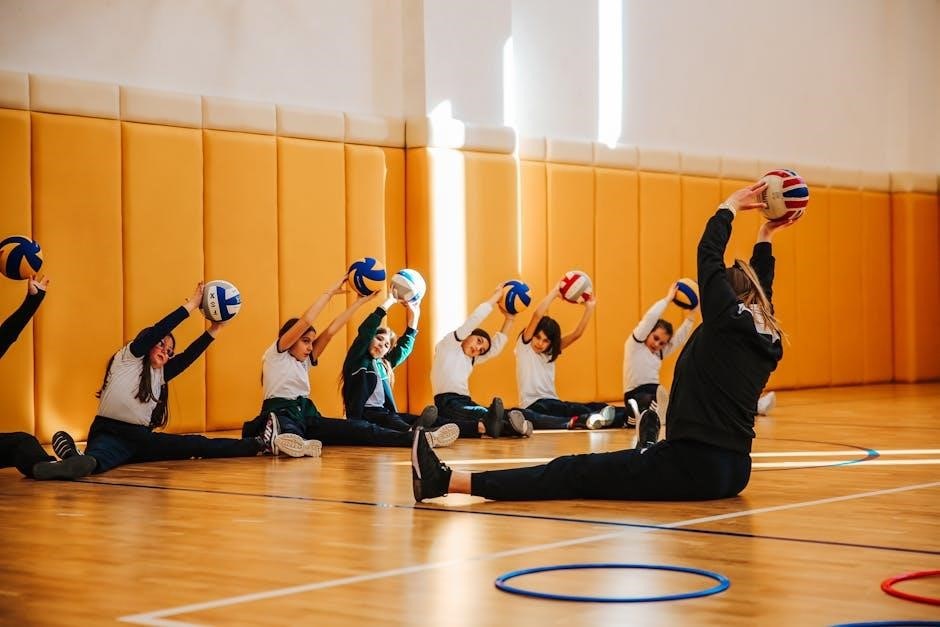
Phase three centers on collaborative lesson design and demonstration of effective techniques. Co-planning sessions empower teachers to refine their approaches, integrating new strategies and addressing identified needs. The instructional coach actively participates, offering suggestions and resources.
Modeling involves the coach demonstrating a lesson or specific skill, providing a concrete example for the teacher to observe and analyze. This supports teachers being coached, offering a safe space to explore new methods. This phase builds confidence and prepares teachers for implementation, fostering a shared understanding of best practices.
A. Collaborative Lesson Planning Strategies
Effective co-planning prioritizes teacher expertise and needs. Strategies include backward design, where objectives, assessments, and activities are aligned. Coaches facilitate brainstorming sessions, encouraging teachers to explore innovative approaches and refine existing lesson plans.

Utilizing protocols like “Lesson Study” allows for deep dives into specific lessons, fostering shared ownership and continuous improvement. Coaches provide resources and feedback, ensuring alignment with curriculum goals and best practices. This collaborative process empowers teachers, building capacity and promoting a culture of shared learning and professional growth.
B. Modeling Effective Teaching Practices
Modeling isn’t about showcasing perfection, but demonstrating strategies. Coaches can co-teach segments of lessons, illustrating techniques like questioning strategies, differentiated instruction, or classroom management. This provides a visible example for teachers to observe and adapt.
“Think-alouds,” where coaches verbalize their thought processes during instruction, are particularly powerful. Following the modeling, debriefing is crucial, focusing on the ‘why’ behind the techniques. This allows teachers to analyze the impact on student learning and consider how to integrate similar practices into their own classrooms, fostering growth.
VII. Phase 4: Co-Teaching & Observation
Phase four blends active collaboration with focused data gathering. Co-teaching allows coaches to demonstrate strategies within the classroom context, utilizing models like “One Teach, One Observe” or “Station Teaching.” This isn’t evaluation; it’s shared practice.
Simultaneously, focused observation protocols, employing specific feedback tools, provide targeted insights. Observations should align with pre-established goals, concentrating on agreed-upon areas for growth. The goal is to gather concrete evidence of implementation and impact, informing subsequent reflection and refinement of instructional practices.
A. Different Co-Teaching Models (One Teach, One Observe; Station Teaching, etc.)
Co-teaching isn’t a single approach; it’s a spectrum of collaborative strategies. “One Teach, One Observe” allows focused data collection while one teacher leads instruction. “Station Teaching” divides content into segments, with teachers managing different learning stations.
Other models include “Parallel Teaching” (same content, smaller groups) and “Alternative Teaching” (one teacher pre-teaches or re-teaches). Selecting the right model depends on learning objectives, student needs, and teacher strengths. Flexibility and open communication are key to successful implementation and maximizing impact.
B. Focused Observation Protocols & Feedback Tools
Effective observation goes beyond general impressions. Focused protocols, like looking for specific instructional strategies or student engagement techniques, provide targeted data. Tools should be collaborative, emphasizing growth, not evaluation.
Utilize observation checklists, video recording with time-stamped comments, and reflective questions. Feedback should be timely, specific, and actionable, linking observations to pre-established goals. A robust feedback system, as crucial during curriculum rollouts, fosters continuous improvement and supports teacher development.
VIII. Phase 5: Reflection & Refinement
This phase centers on teacher agency and data-driven adjustments. Facilitate structured reflection, prompting teachers to analyze student outcomes and their instructional choices. Encourage honest self-assessment – what worked, what didn’t, and why?
Analyze collected data collaboratively, identifying patterns and areas for refinement. Adjust goals based on this analysis, ensuring they remain relevant and achievable. This iterative process, vital during curriculum implementation, ensures continuous improvement and personalized professional growth. Reflection isn’t judgment; it’s a catalyst for impactful change.
A. Facilitating Teacher Reflection on Practice
Effective reflection isn’t simply asking “How did it go?” It requires targeted prompts focusing on specific instructional strategies and student learning. Encourage teachers to examine evidence – student work, assessment data, observation notes – to support their analysis.
Create a safe, non-judgmental space where vulnerability is valued. Utilize protocols like “What? So What? Now What?” to structure the process. Guide teachers to identify patterns, challenge assumptions, and articulate actionable steps for improvement. This fosters agency and ownership of their professional growth.
B. Analyzing Data & Adjusting Goals
Data analysis isn’t about proving or disproving a teacher’s effectiveness; it’s about informing instructional decisions. Collaboratively review student achievement data, looking for trends and areas where students struggle. Examine assessment results, classroom observations, and student work samples to gain a holistic view.
Based on this analysis, revisit initial goals. Are they still relevant? Do they need to be refined or expanded? Adjust goals collaboratively, ensuring they are SMART (Specific, Measurable, Achievable, Relevant, Time-bound). This iterative process ensures the coaching cycle remains responsive to teacher and student needs.
IX. The Role of Data in the Coaching Cycle
Data serves as the cornerstone of a successful instructional coaching cycle, moving beyond subjective impressions to evidence-based practice. It informs goal setting, identifies areas for growth, and measures the impact of coaching interventions. Robust feedback systems, crucial during curriculum rollouts, rely heavily on data collection and analysis.
Effective coaches help teachers interpret data, not just collect it. This includes student achievement data, observation notes, and student work. Analyzing these sources collaboratively allows for targeted support and adjustments to instructional strategies, ultimately enhancing student learning outcomes.
X. Common Challenges in Instructional Coaching
Instructional coaching, while impactful, isn’t without its hurdles. Teacher resistance to coaching, often stemming from vulnerability or perceived evaluation, requires building strong rapport and trust. Addressing this necessitates demonstrating genuine support and emphasizing growth, not judgment.
Time constraints and scheduling conflicts frequently impede consistent coaching cycles, particularly during new curriculum implementation requiring extensive professional development. Creative solutions, like utilizing planning periods or offering flexible meeting times, are essential. Overcoming these challenges demands proactive communication and collaborative problem-solving.
A. Teacher Resistance to Coaching
Teacher resistance often arises from a place of vulnerability, fearing judgment or questioning their established practices. It’s crucial to recognize this isn’t necessarily a rejection of coaching itself, but a protective response. Coaches must prioritize building trust through active listening and demonstrating genuine support.
Framing coaching as collaborative growth, rather than evaluation, is paramount. Emphasize the benefits for student learning and teacher well-being. Addressing concerns with empathy and validating their expertise can dismantle resistance, fostering a receptive environment for positive change and professional development.
B. Time Constraints & Scheduling Conflicts
A significant hurdle in instructional coaching is navigating packed teacher schedules. Finding mutually available time for observations, co-planning, and reflection requires creativity and flexibility. Prioritizing focused, concise coaching sessions maximizes impact within limited windows.

Proactive scheduling and utilizing shared digital calendars are essential. Explore options like co-teaching during existing prep periods or brief “check-in” meetings. Advocating for dedicated professional development time within the school day demonstrates leadership support and acknowledges the value of coaching, easing scheduling pressures.
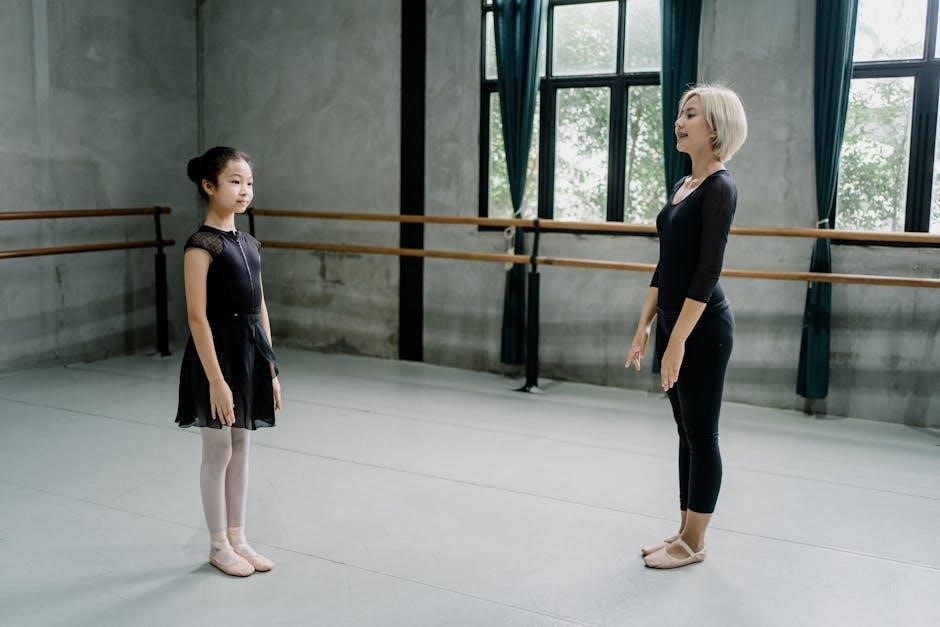
XI. Technology Tools to Support the Coaching Cycle
Leveraging technology streamlines the coaching process and enhances collaboration. Video recording platforms facilitate self-reflection and focused feedback on teaching practices. Shared document spaces, like Google Docs, enable co-planning and real-time lesson adjustments.
Digital portfolios showcase student work and track progress, informing coaching goals. Communication tools, such as email or dedicated messaging apps, maintain consistent contact. Data analysis software helps identify trends and measure the impact of coaching interventions, providing evidence-based insights for continuous improvement and refinement.
XII. Measuring the Impact of Instructional Coaching
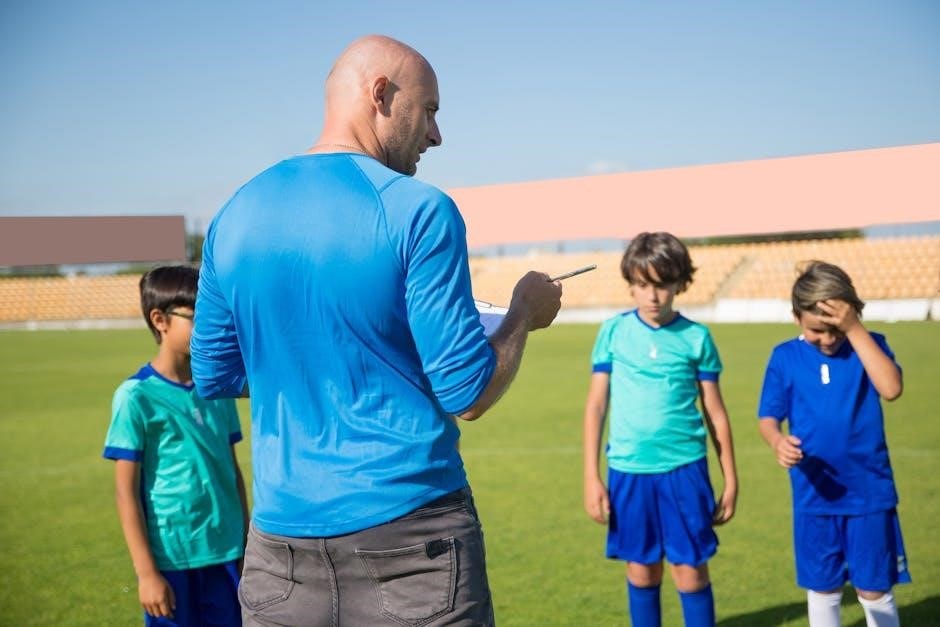
Evaluating coaching effectiveness requires a multi-faceted approach. Analyzing student achievement data – test scores, grades, and project-based assessments – reveals growth patterns linked to coaching interventions. Tracking teacher self-efficacy through surveys and reflective journals demonstrates shifts in confidence and practice.
Observational data, coupled with feedback analysis, provides qualitative insights. Monitoring implementation fidelity of new strategies confirms successful adoption. Ultimately, demonstrating a positive correlation between coaching and improved student outcomes validates the program’s value and justifies continued investment.
A. Student Achievement Data Analysis
Rigorous analysis of student achievement data is paramount. This involves examining pre- and post-intervention assessments to quantify academic gains directly attributable to coaching. Disaggregating data by student subgroups reveals equity impacts and informs targeted support. Focusing on trends – not just overall scores – highlights areas of significant improvement or persistent challenges.
Utilizing multiple data points – including formative assessments, standardized tests, and classroom assignments – provides a holistic view. Coaches collaborate with teachers to interpret findings and adjust instructional strategies accordingly, ensuring data-driven decision-making.
B. Teacher Self-Efficacy & Growth Metrics
Measuring teacher self-efficacy is crucial alongside student outcomes. Surveys and reflective journals can gauge a teacher’s confidence in their abilities before, during, and after coaching interventions. Tracking participation in professional development and implementation of new strategies demonstrates growth. Observing changes in classroom practice – risk-taking, innovation – provides qualitative evidence.
Growth metrics might include increased use of differentiated instruction or improved classroom management techniques. Coaches document these observations, fostering a culture of continuous improvement and celebrating teacher successes. This data informs future coaching cycles and demonstrates program impact.
XIII. Differentiation in Instructional Coaching
Effective coaching isn’t one-size-fits-all. Differentiation requires understanding each teacher’s unique needs, experience level, and context. Some teachers may benefit from intensive co-teaching, while others thrive with focused observation and feedback. Coaches must assess readiness and tailor support accordingly.
Consider factors like subject area, grade level, and student demographics. A novice teacher requires different guidance than a veteran exploring new pedagogical approaches. Flexibility and responsiveness are key; regularly adjusting the coaching plan ensures relevance and maximizes impact, fostering individual teacher growth.
XIV. Coaching for Specific Instructional Strategies
Targeted coaching elevates specific skills. Whether focusing on literacy or math instruction, coaches must possess deep content knowledge and pedagogical expertise. Literacy coaching might involve guided reading strategies or writing workshop techniques, while math coaching could center on problem-solving routines or conceptual understanding.
Effective strategies require modeling, co-planning, and reflective feedback. Coaches should demonstrate techniques, collaborate on lesson design, and facilitate teacher analysis of student work. This focused approach ensures teachers gain confidence and competence in implementing evidence-based practices, ultimately improving student outcomes.
A. Coaching for Literacy Instruction
Literacy coaching centers on foundational skills and comprehension strategies. Coaches support teachers in implementing effective reading and writing workshops, guided reading groups, and phonics instruction. Focus areas include fluency development, vocabulary acquisition, and close reading techniques. Coaches model differentiated instruction to meet diverse learner needs, providing targeted support for struggling readers and challenging advanced learners.
Data-driven coaching analyzes student reading assessments to pinpoint areas for growth. Collaborative planning ensures alignment with curriculum standards and best practices. Reflective conversations help teachers refine their literacy instruction, fostering a culture of continuous improvement.
B. Coaching for Math Instruction
Math coaching emphasizes conceptual understanding and procedural fluency. Coaches assist teachers in implementing research-based instructional strategies like problem-solving routines, number talks, and concrete-representational-abstract (CRA) approaches. Key areas of focus include fostering mathematical discourse, promoting student reasoning, and addressing common misconceptions.
Effective coaching involves analyzing student work to identify learning gaps and tailoring instruction accordingly. Collaborative lesson planning ensures alignment with mathematical standards and promotes engaging, hands-on activities. Reflective practice empowers teachers to refine their math instruction and cultivate a positive math mindset in students.
XV. The Importance of Ongoing Professional Development for Coaches
Continuous learning is paramount for instructional coaches. They require sustained professional development to stay abreast of evolving pedagogical research, best practices in coaching, and emerging educational technologies. Effective PD should focus on deepening content knowledge, refining coaching skills, and building capacity to facilitate adult learning.
Coaches benefit from opportunities to collaborate with peers, participate in workshops, and engage in action research. Staying current on curriculum updates and assessment strategies is also crucial. Investing in coach development directly impacts the quality of support provided to teachers, ultimately enhancing student outcomes.
XVI. Building a Culture of Continuous Improvement
A thriving instructional coaching cycle necessitates a school-wide commitment to continuous improvement. This involves fostering a growth mindset where both teachers and coaches view challenges as opportunities for learning and refinement. Regular data analysis, coupled with open communication, is essential for identifying areas needing support.

Creating a safe space for vulnerability and honest feedback encourages teachers to embrace coaching. Leadership support plays a vital role in championing this culture, allocating resources, and celebrating successes. Sustained effort in building this culture will yield long-term positive impacts on teaching and learning.
XVII; Leadership Support for Instructional Coaching
Effective instructional coaching hinges on robust leadership support. Principals and administrators must actively champion the coaching program, recognizing its value in driving school-wide improvement. Resource allocation – including dedicated time for coaching, professional development for coaches, and curriculum materials – is paramount.
Leaders should visibly participate in celebrating coaching successes and advocating for a culture of continuous learning. Clear communication about the coaching cycle’s goals and expectations ensures buy-in from all stakeholders. Prioritizing coaching demonstrates a commitment to teacher growth and ultimately, student achievement.
XVIII. Scaling Instructional Coaching Programs
Expanding instructional coaching requires a strategic, phased approach. Initial success in pilot programs provides valuable data for broader implementation. Train-the-trainer models can efficiently build coaching capacity within the school or district, ensuring consistent quality. Careful consideration must be given to coach selection and ongoing professional development.
Sustainability relies on integrating coaching into the school’s existing structures and routines. Leveraging technology can streamline scheduling, data collection, and communication. Monitoring program fidelity and adapting to evolving needs are crucial for long-term success and maximizing impact on teaching practices.
XIX. Legal and Ethical Considerations in Coaching
Maintaining strict confidentiality is paramount in instructional coaching, adhering to both school policies and legal guidelines regarding teacher evaluations. Coaches must avoid conflicts of interest and clearly define boundaries to ensure a safe and trusting relationship. Informed consent should be obtained before any observation or data collection takes place.
Coaching conversations are privileged and should not be shared without explicit permission. Coaches must be aware of their professional responsibilities and avoid overstepping into areas of formal evaluation. Ethical practice demands respect for teacher autonomy and a commitment to their professional growth.
XX. Future Trends in Instructional Coaching
The integration of artificial intelligence (AI) promises personalized coaching insights, analyzing vast datasets to pinpoint teacher needs and recommend targeted strategies. Micro-coaching, delivered through short, focused video feedback, will become increasingly prevalent, offering just-in-time support. Virtual reality (VR) simulations will allow coaches to model effective practices in immersive environments.
A shift towards co-learning models, where coaches and teachers learn with each other, will foster a more collaborative and equitable partnership. Emphasis on well-being for both coaches and teachers will be crucial, recognizing the emotional demands of the profession. Data privacy will remain a key concern, requiring robust security measures.
XXI. Resources for Instructional Coaches
Instructional coaching necessitates a robust toolkit. Organizations like New Teacher Center and Cognitive Coaching offer comprehensive training and certification programs. Books such as “The Art of Coaching” by Elena Aguilar provide practical strategies. Online platforms like BetterLesson and Schoolhouse curate lesson plans and coaching resources.
Professional learning communities (PLCs) provide valuable peer support and collaborative problem-solving opportunities. Webinars and podcasts from educational leaders offer current insights. State departments of education often provide coaching guides and standards. Accessing these resources empowers coaches to effectively support teacher growth.
XXII. Conclusion: Sustaining the Instructional Coaching Cycle
Sustaining an effective instructional coaching cycle demands ongoing commitment from school leadership and dedicated time for coaches. Regular data analysis, reflecting student achievement and teacher self-efficacy, is crucial for continuous improvement. Prioritizing professional development for coaches ensures they remain current with best practices.
Building a culture of trust and collaboration fosters teacher buy-in and willingness to engage in the coaching process. Consistent communication about the coaching cycle’s impact reinforces its value. Ultimately, a sustained cycle empowers educators and elevates student outcomes.