
Becoming a Hunting Guide: A Comprehensive Plan
Embarking on a career as a hunting guide demands dedication and thorough preparation. Initial steps involve consulting state wildlife agencies for specific regulations and licensing requirements.
Essential elements include gaining field experience – often 40 days – alongside certifications in First Aid, CPR, and potentially Wilderness First Responder training.
Legal eligibility, a Wildlife Identification Number (where applicable), and big game hunting expertise are crucial for success in this rewarding profession.
The role of a hunting guide is multifaceted, extending far beyond simply leading clients to game; It’s a profession steeped in responsibility, requiring a deep understanding of wildlife, ecosystems, and the ethical considerations of hunting. A successful guide is a teacher, a conservationist, and a safety expert, all rolled into one.
Becoming a hunting guide isn’t merely about personal hunting prowess; it’s about providing a safe, ethical, and memorable experience for others. This involves meticulous planning, detailed knowledge of local game and habitats, and the ability to adapt to ever-changing conditions in the field.
The demand for skilled guides is driven by a growing interest in hunting experiences, particularly among those seeking guided adventures in unfamiliar territories. This creates opportunities, but also raises the bar for professionalism and expertise. Outfitters and guides are required to hold permits, and the profession demands a commitment to upholding the highest standards of conduct. Guides must be well-versed in firearm safety and proficient in navigation and map reading.
Ultimately, a career as a hunting guide is a pathway for those passionate about the outdoors and dedicated to sharing that passion responsibly with others.
Essential Skills for a Hunting Guide
To excel as a hunting guide, a diverse skillset is paramount. Beyond a passion for the outdoors, proficiency in scouting and tracking skills is fundamental, enabling you to locate game and anticipate their movements. A deep knowledge of local game and their habitats is equally crucial, informing successful hunting strategies.
Safety is non-negotiable. Mastery of firearm safety and demonstrable proficiency in handling various firearms are essential, alongside comprehensive first aid and CPR certification. Consider advanced training like Wilderness First Responder (WFR) for handling emergencies in remote locations.
Effective communication and strong interpersonal skills are vital for building rapport with clients and managing their expectations. Client management requires patience, adaptability, and the ability to address concerns professionally. Navigation and map reading skills are indispensable for traversing unfamiliar terrain, ensuring both safety and efficiency.
Finally, a successful guide possesses a strong ethical compass, prioritizing fair chase and responsible hunting practices. These skills, combined with a thorough understanding of state regulations, form the bedrock of a thriving guiding career.
Understanding State Regulations & Licensing
Navigating the path to becoming a hunting guide begins with a meticulous understanding of individual state regulations. Requirements vary significantly; some states mandate licensure or permitting, while others have less formal guidelines. Initial research with the relevant wildlife agency is absolutely essential.
Licensing processes often involve background checks, proof of experience – typically documented field days – and successful completion of hunter education certification. Alaska, for example, requires non-resident hunters to be accompanied by a licensed guide for big game hunting, creating demand for qualified professionals.
Hawaii necessitates obtaining a license from the Department of Land and Natural Resources, highlighting the state-specific nature of these requirements. Alberta, Canada, requires a Wildlife Identification Number (WIN) through ReLM, alongside legal employment eligibility. South Africa demands a specific Outfitter and Guide License for operation.
Ignoring these regulations can lead to hefty fines or even legal repercussions. Thoroughly researching and adhering to the specific rules of your target location is not merely advisable, but legally obligatory for anyone aspiring to a career as a hunting guide.
Initial Research: Your Target State/Province
Before embarking on the journey to become a hunting guide, comprehensive initial research focused on your desired location is paramount. This isn’t simply about choosing a scenic area; it’s about understanding the specific demands and opportunities within that state or province.
Begin by identifying the prevalent game species and their habitats. A guide specializing in elk hunting in Montana will require a vastly different skillset than one focusing on waterfowl in Arkansas. Investigate the regulations governing hunting for those species, including season dates, bag limits, and permitted hunting methods.
Crucially, determine the licensing requirements for guides in that area. As highlighted, Alaska has strict rules regarding non-resident accompaniment, while Hawaii requires a specific Department of Land and Natural Resources license. Alberta necessitates a Wildlife Identification Number (WIN).

Consider the competition. How many other guides operate in the area? What are their specialties? Understanding the local market will help you identify a niche and develop a viable business plan. Thorough research is the foundation for a successful guiding career.
Required Age and Legal Eligibility
A fundamental prerequisite for becoming a hunting guide is meeting the minimum age and legal eligibility criteria established by the governing state or province. While specifics vary, a common standard is reaching the age of 18, signifying adulthood and the capacity to enter into legal contracts and assume responsibilities.
However, age alone isn’t sufficient. You must also be legally entitled to be employed within that jurisdiction. This encompasses possessing the necessary work permits or citizenship status, and lacking any legal impediments that would prevent you from working with the public or handling firearms.
For example, in Alberta, Canada, aspiring guides must be adults (18+) legally permitted to work in Canada and obtain a Wildlife Identification Number (WIN) from Alberta ReLM. Background checks are often a standard component of the licensing process, ensuring public safety and responsible hunting practices.
Furthermore, a clean criminal record is generally essential. Any convictions related to wildlife violations, assault, or other serious offenses could disqualify you from obtaining a guide license. Confirming these requirements with the relevant wildlife agency is crucial before investing time and resources into the process.
Obtaining a Wildlife Identification Number (WIN) ౼ Alberta Example
In Alberta, Canada, securing a Wildlife Identification Number (WIN) is a pivotal step towards becoming a licensed hunting guide. This number serves as a unique identifier within the Alberta ReLM (Regulatory Electronic Management) system, facilitating tracking and management of wildlife-related activities.
The process begins with creating an account on the Alberta ReLM website. You’ll need to provide personal information, including your address, date of birth, and details regarding your legal eligibility to work in Canada. Expect to potentially submit supporting documentation to verify your identity and work status.
Once your account is established, you can apply for a WIN. The application typically involves declaring your intent to pursue guiding activities and acknowledging your responsibility to adhere to all Alberta hunting regulations and ethical guiding practices.
It’s important to note that possessing a WIN doesn’t automatically grant you a guide license. It’s a prerequisite, allowing you to then proceed with fulfilling other requirements, such as accumulating the necessary field experience and completing required certifications. The WIN streamlines the subsequent licensing application process;
The Importance of Field Experience
Accumulating substantial field experience is arguably the most critical component in becoming a successful hunting guide. Theoretical knowledge, while valuable, pales in comparison to practical, hands-on experience gained in the hunting environment; This experience isn’t merely about hunting itself; it’s about understanding wildlife behavior, habitat dynamics, and the nuances of navigating diverse terrains.
Many jurisdictions, like Alberta, mandate a specific number of field days – often around 40 – as a prerequisite for licensing. These days can be accrued through a combination of personal hunting expeditions, volunteer work with wildlife organizations, or paid opportunities assisting established guides.
During these field days, aspiring guides should actively focus on honing their scouting, tracking, and navigation skills. Observing experienced guides and learning from their decision-making processes is invaluable. Furthermore, it’s an opportunity to refine firearm safety protocols and practice ethical hunting techniques.
Documenting these field days meticulously is essential, as proof of completion will be required during the licensing application. This experience builds confidence, competence, and a deep understanding of the responsibilities inherent in guiding others on a hunt.
Documenting Field Days: Tracking Your 40-Day Requirement
Meticulous record-keeping is paramount when accumulating the required field days for a hunting guide license. Simply spending time outdoors isn’t enough; you must demonstrate verifiable experience to the relevant wildlife agency. A detailed logbook is the most effective method for tracking your progress.
Each entry should include the date, location, specific activities undertaken (e.g., scouting, tracking, assisting a guide, personal hunting), and the total hours spent in the field that day. Consider including details about wildlife observed, habitat conditions, and any challenges encountered.
Supporting documentation can significantly strengthen your application. This might include letters from experienced guides or wildlife professionals verifying your participation, volunteer records from conservation organizations, or copies of hunting licenses and permits.
Accuracy and consistency are crucial. Ensure your logbook is legible, well-organized, and free of discrepancies. Be prepared to submit this documentation as part of your licensing application, and retain copies for your records. Proper documentation demonstrates your commitment and professionalism to the licensing board.
First Aid and CPR Certification
Obtaining certifications in First Aid and Cardiopulmonary Resuscitation (CPR) is a non-negotiable requirement for aspiring hunting guides. These skills are fundamental for ensuring the safety and well-being of clients in remote and potentially hazardous environments. A basic understanding of emergency medical procedures can be the difference between a manageable incident and a life-threatening situation.
Numerous organizations offer accredited First Aid and CPR courses, including the American Red Cross, the American Heart Association, and the National Safety Council. Choose a course that provides hands-on training and covers essential topics such as wound care, fracture immobilization, and recognizing signs of medical emergencies.
Certification validity varies, so be sure to select a course that offers a certification valid for at least two years. Regular refresher courses are highly recommended to maintain proficiency and stay updated on the latest techniques. Many states specifically require current First Aid and CPR certifications for guide licenses.
Beyond the basics, consider supplementing your training with a Wilderness First Responder (WFR) course, which provides more in-depth knowledge and skills for managing medical emergencies in remote locations. This demonstrates a higher level of preparedness and commitment to client safety.
Wilderness First Responder (WFR) Training
While First Aid and CPR certifications are essential starting points, Wilderness First Responder (WFR) training elevates a hunting guide’s preparedness for the unique challenges of the backcountry. WFR courses are specifically designed to equip individuals with the knowledge and skills to manage medical emergencies in remote environments where immediate evacuation isn’t possible.
These intensive courses typically span 70-100 hours and cover topics such as patient assessment, wound management, fracture stabilization, environmental emergencies (hypothermia, heatstroke), and improvised splinting. A significant focus is placed on prolonged patient care – stabilizing and monitoring individuals over extended periods until help arrives.
Several reputable organizations offer WFR certifications, including NOLS Wilderness Medicine, Wilderness Medical Associates International (WMAI), and SOLO Wilderness Medicine. Choosing an accredited provider ensures the quality and consistency of the training.
WFR certification is often viewed as a significant advantage – and sometimes a requirement – by state wildlife agencies and outfitters. It demonstrates a commitment to client safety and a higher level of medical expertise. Investing in WFR training is a proactive step towards building a successful and responsible hunting guide career.
Hunter Education Certification
A foundational requirement for aspiring hunting guides is completion of a state-approved Hunter Education Certification course. These courses are mandated in most jurisdictions and are designed to instill responsible hunting practices, ethical behavior, and a thorough understanding of firearm safety.
The curriculum typically encompasses topics such as wildlife identification, hunting laws and regulations, safe firearm handling, shooting fundamentals, survival skills, and hunter ethics. Successful completion usually involves passing a written exam and demonstrating proficiency in safe gun handling techniques.
While primarily aimed at novice hunters, Hunter Education Certification is invaluable for guides. It reinforces a commitment to safety and demonstrates a comprehensive knowledge of hunting principles, which is essential for effectively and responsibly guiding clients.
Furthermore, possessing this certification often satisfies a prerequisite for obtaining guide licenses or permits. It showcases a dedication to upholding the highest standards of hunting ethics and safety, building trust with clients and regulatory agencies alike. Check your target state’s wildlife agency for specific course requirements and approved providers.
Big Game Hunting Expertise
Becoming a proficient hunting guide necessitates a deep and demonstrable expertise in big game hunting. This isn’t merely about personal hunting success; it’s about possessing an encyclopedic knowledge of the animals you’ll be guiding clients to pursue.
This expertise encompasses understanding big game behavior, including their feeding habits, migration patterns, and preferred habitats. Guides must be adept at recognizing subtle signs of animal presence – tracks, scat, rubs, and scrapes – and interpreting them accurately.
Furthermore, a strong understanding of big game anatomy is crucial for ethical shot placement and ensuring quick, humane harvests. Guides should be proficient in judging animal age and sex, and capable of assessing trophy quality.
Without this specialized knowledge, a guide cannot effectively strategize hunts, locate game, or provide clients with a safe and successful experience. It’s vital to specialize in the big game species prevalent in your target area, continually refining your skills and staying abreast of current wildlife management practices. Expertise is non-negotiable.
Knowledge of Local Game and Habitats
A cornerstone of success for any aspiring hunting guide is an intimate and comprehensive understanding of the local game populations and their corresponding habitats. This extends far beyond simply knowing what animals are present; it requires a detailed grasp of where they live, how they behave within those environments, and why.
Guides must be able to identify key habitat features – food sources, water sources, bedding areas, travel corridors – and understand how seasonal changes impact animal distribution. This includes recognizing different plant species and their importance to wildlife.
Furthermore, a deep knowledge of the local terrain – topography, elevation, vegetation types – is essential for effective navigation and strategic hunt planning. Understanding micro-habitats within the broader landscape is equally important.
This localized knowledge allows guides to consistently locate game, anticipate animal movements, and adapt hunting strategies to changing conditions. Becoming an expert in your chosen area is paramount; it’s the foundation upon which a successful guiding career is built, ensuring client satisfaction and ethical hunting practices.
Scouting and Tracking Skills
Proficiency in scouting and tracking is absolutely vital for a hunting guide, representing a core skillset that directly impacts hunt success. Scouting isn’t merely about physically covering ground; it’s a systematic process of gathering intelligence about game activity.
Effective scouting involves identifying fresh sign – tracks, droppings, rubs, scrapes – and interpreting it to determine animal patterns, travel routes, and feeding locations. Guides must be adept at aging sign, distinguishing between different individuals, and recognizing subtle clues.
Tracking skills extend beyond simply following footprints. They encompass understanding animal behavior, recognizing bedding areas, and predicting movements based on weather conditions and terrain. The ability to discern subtle changes in the environment is key.
Modern technology, such as trail cameras and GPS mapping, can supplement traditional scouting methods, but a guide’s ability to read the land and interpret natural sign remains paramount. Mastering these skills ensures clients have the best possible opportunity for a successful and ethical hunt, solidifying a guide’s reputation.
Firearm Safety and Proficiency
Unquestionable firearm safety and demonstrable proficiency are non-negotiable attributes for any aspiring hunting guide. A guide’s responsibility extends far beyond simply knowing how to operate a firearm; it encompasses a deep understanding of safe gun handling practices and the ability to instill those practices in others.
Comprehensive knowledge of various firearm types – rifles, shotguns, muzzleloaders – is essential, along with their proper maintenance, cleaning, and storage. Guides must be intimately familiar with ammunition types and their appropriate uses for different game species.
Beyond personal proficiency, a guide must be capable of educating clients on safe firearm handling, proper shooting techniques, and ethical hunting practices. This includes reinforcing the importance of muzzle control, safe zone-of-fire, and responsible shot placement.
Regular practice at the range is crucial to maintain and refine shooting skills. Demonstrating a commitment to firearm safety builds trust with clients and ensures a secure and responsible hunting experience, minimizing risk and upholding the highest ethical standards.
Navigation and Map Reading
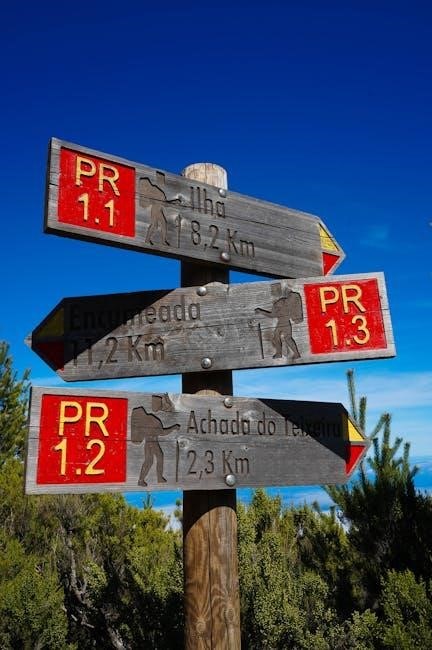
Mastering navigation and map reading skills is paramount for a successful hunting guide. The ability to confidently traverse diverse terrains, often in remote and challenging environments, is fundamental to ensuring both client safety and a productive hunt.
Proficiency with topographic maps, compasses, and GPS devices is essential. Guides must be able to accurately interpret contour lines, identify landmarks, and determine their precise location, even in adverse weather conditions or limited visibility.
Beyond simply knowing where you are, a guide needs to plan efficient routes, anticipate potential hazards, and navigate effectively through dense forests, rugged mountains, or expansive plains. Understanding declination and utilizing triangulation techniques are vital skills.
Modern technology, such as GPS units and mapping apps, are valuable tools, but a reliance solely on electronics is unwise. A skilled guide maintains proficiency in traditional map and compass navigation as a backup, ensuring they can always find their way, regardless of technological failures. This demonstrates preparedness and instills confidence in clients.
Communication and Interpersonal Skills
Exceptional communication and interpersonal skills are cornerstones of a successful hunting guide’s profile. This profession isn’t solely about hunting expertise; it’s about building rapport, managing expectations, and ensuring a positive experience for clients from diverse backgrounds.
Effective communication involves clearly conveying information regarding safety protocols, hunting strategies, and wildlife behavior. Guides must be able to articulate instructions concisely and patiently, adapting their approach to each client’s understanding and experience level.
Active listening is equally crucial. Understanding a client’s goals, physical limitations, and concerns allows the guide to tailor the hunt accordingly and address any anxieties. The ability to remain calm and composed under pressure, particularly in challenging situations, is vital.
Building trust and rapport fosters a comfortable and enjoyable hunting experience. A guide’s personality and ability to connect with clients significantly impact the overall success of the hunt and the likelihood of repeat business and positive referrals. Professionalism and courtesy are non-negotiable.
Client Management and Expectations
Proactive client management is paramount for a hunting guide. It begins long before the hunt, with clear and detailed communication regarding logistics, required gear, physical fitness expectations, and potential costs. Transparency builds trust and minimizes misunderstandings.
Setting realistic expectations is crucial. Not every hunt results in a successful harvest. Guides must honestly portray the challenges and uncertainties inherent in hunting, emphasizing the experience itself as a valuable outcome, regardless of the result.
Managing client expectations during the hunt requires adaptability and problem-solving skills. Weather conditions, animal behavior, and unforeseen circumstances can necessitate adjustments to the plan. A skilled guide can navigate these challenges while maintaining a positive attitude.
Addressing concerns and complaints professionally and promptly is essential. A willingness to listen, empathize, and find solutions demonstrates a commitment to client satisfaction. Post-hunt follow-up, seeking feedback, and building lasting relationships contribute to a thriving guiding business.
Ultimately, successful client management transforms a hunting trip into a memorable and rewarding experience, fostering loyalty and positive word-of-mouth referrals.
Legal Considerations and Liability Insurance
Operating as a hunting guide necessitates a firm grasp of legal responsibilities. Outfitters and guides are subject to stringent regulations, varying significantly by state, province, or country. Compliance with these laws is non-negotiable, encompassing everything from licensing to adherence to fair chase principles.
Liability insurance is absolutely critical. Hunting inherently involves risks, and guides can be held liable for accidents, injuries, or property damage occurring during a hunt. A comprehensive insurance policy protects the guide’s assets and provides financial recourse in the event of a claim.
Contracts and waivers are essential tools for mitigating risk. Clearly defined contracts outline the scope of services, client responsibilities, and liability limitations. Waivers acknowledge the inherent risks of hunting and release the guide from certain liabilities.
Staying informed about changes in hunting regulations and legal precedents is an ongoing responsibility. Consulting with legal counsel specializing in outdoor recreation law can provide valuable guidance and ensure compliance.
Prioritizing safety and operating ethically are not only morally sound but also legally prudent, minimizing the potential for accidents and legal disputes.
South African Outfitter and Guide Licensing

Becoming a hunting guide in South Africa requires obtaining a specific Outfitter and Guide License, a mandatory qualification for anyone offering hunting services. Holding a valid permit is a strict requirement for both outfitters and the guides they employ, ensuring adherence to regulated hunting practices.
The licensing process is overseen by relevant South African authorities, typically provincial conservation agencies. Applicants must demonstrate extensive knowledge of local game species, hunting areas, and conservation regulations. Practical assessments and written examinations are common components of the evaluation.
Guides are expected to possess a deep understanding of ethical hunting principles, firearm safety, and wilderness survival skills. They must also be proficient in client management, ensuring a safe and enjoyable hunting experience.
Furthermore, demonstrating a commitment to sustainable hunting practices and the conservation of wildlife is crucial. Guides play a vital role in promoting responsible hunting and contributing to the long-term health of South Africa’s ecosystems.
Continuous professional development is often encouraged, with opportunities for advanced training and specialization in specific game species or hunting techniques.
Alaska Hunting Guide Requirements ౼ Non-Resident Accompaniment
Alaska presents unique regulations regarding hunting guides, particularly concerning non-resident hunters. A critical aspect of guiding in Alaska is the mandatory accompaniment rule: any non-resident alien intending to hunt big game – including black bear, brown/grizzly bear, and bison – must be personally accompanied by an Alaska-licensed guide.
This regulation isn’t simply about supervision; it’s a legal necessity. Without a licensed guide, a non-resident cannot legally harvest big game in Alaska. This ensures responsible hunting practices, wildlife management, and the safety of both hunters and the environment.
Becoming a licensed Alaska hunting guide involves a rigorous process. It requires demonstrating extensive knowledge of Alaskan wildlife, hunting regulations, and wilderness survival skills. Guides must also pass background checks and meet specific experience requirements.
The role extends beyond simply leading hunters to game. Guides are responsible for ensuring compliance with all applicable laws, providing safe hunting practices, and offering expertise on game identification and field dressing.
Therefore, aspiring guides in Alaska must prioritize obtaining the necessary license and understanding the specific requirements for accompanying non-resident hunters.
Hawaii Hunting Guide Licensing ౼ Department of Land and Natural Resources
Aspiring hunting guides in Hawaii must navigate a specific licensing process overseen by the Department of Land and Natural Resources (DLNR). Unlike some states with tiered systems, Hawaii requires individuals intending to guide hunting activities to obtain a license directly from the DLNR.
The exact requirements and application procedures can vary, so direct consultation with the DLNR is crucial. Potential guides should expect to demonstrate a comprehensive understanding of Hawaii’s hunting regulations, game species, and conservation laws.
Furthermore, a strong knowledge of the local terrain, potential hazards, and safe hunting practices is essential. The DLNR likely assesses applicants on their ability to ensure the safety and ethical treatment of both hunters and wildlife.
It’s important to note that Hawaii’s hunting environment is unique, encompassing diverse ecosystems and potentially challenging conditions. Guides must be prepared to adapt to these conditions and provide a safe and informative experience for their clients.
Therefore, prospective Hawaii hunting guides should proactively engage with the DLNR to understand the specific licensing criteria and prepare accordingly.
Building a Professional Network
Establishing a robust professional network is paramount for aspiring and established hunting guides. This network extends beyond simply knowing other guides; it encompasses outfitters, landowners, wildlife biologists, and even local community members.
Actively participate in hunting and conservation organizations, attending meetings and workshops to connect with industry professionals. These events provide invaluable opportunities for learning, mentorship, and potential job leads.
Cultivate relationships with landowners who control access to prime hunting grounds. Building trust and demonstrating responsible hunting practices can secure long-term guiding opportunities.
Networking also involves leveraging social media platforms, joining relevant online forums, and engaging in constructive discussions; A strong online presence can attract clients and showcase your expertise.
Don’t underestimate the power of word-of-mouth referrals. Providing exceptional service and building a reputation for integrity will naturally lead to recommendations and repeat business. A solid network is a cornerstone of a successful guiding career.