Prepare effectively for your DMV knowledge test! This comprehensive guide offers practice questions covering regulatory, warning, guide, and service signs – updated for 2025 success.
Road signs are crucial for safe driving, communicating vital information to motorists and pedestrians alike. Mastering their meanings is essential for passing your DMV knowledge test and, more importantly, becoming a responsible and attentive driver. This study guide focuses on preparing you for that test, offering practice with the various sign types you’ll encounter.
Expect questions covering regulatory, warning, work zone, guide, and service signs. Numerous online resources, including practice tests with 40 to 100 questions, are available to bolster your understanding and confidence. Remember, proficiency in recognizing these signs directly contributes to road safety for everyone.
Types of Road Signs
Road signs are categorized to effectively convey different types of information. These categories include regulatory signs, which tell you what you must or must not do; warning signs, alerting you to potential hazards ahead; guide signs, providing directional and informational assistance; and service signs, indicating nearby amenities.
Understanding these distinctions is key to successful test preparation. Practice tests often focus on identifying each type and interpreting their specific meanings. Familiarize yourself with the shapes and colors associated with each category, as these visual cues are vital for quick recognition while driving.
Regulatory Signs
Regulatory signs inform drivers of traffic laws and regulations. These signs dictate legal requirements, such as speed limits, turning restrictions, and parking rules. They are generally rectangular or square, often featuring white backgrounds with black or red text and symbols;
Common examples include stop signs, yield signs, and do-not-enter signs. Ignoring regulatory signs can lead to traffic violations and accidents. Mastering their meanings is crucial for passing your DMV test and, more importantly, for safe driving practices.
Understanding Regulatory Signs
Successfully navigating roadways requires a firm grasp of regulatory signs. These signs communicate laws you must obey, impacting driving behavior directly. Recognizing these signs – often rectangular with black text on a white background – is vital for safe and legal operation of a vehicle.
Failing to understand regulatory signs can result in fines, points on your license, or, tragically, collisions. Thorough preparation, utilizing practice tests and study materials, is essential for confidently identifying and responding appropriately to these critical road directives.
Stop Signs
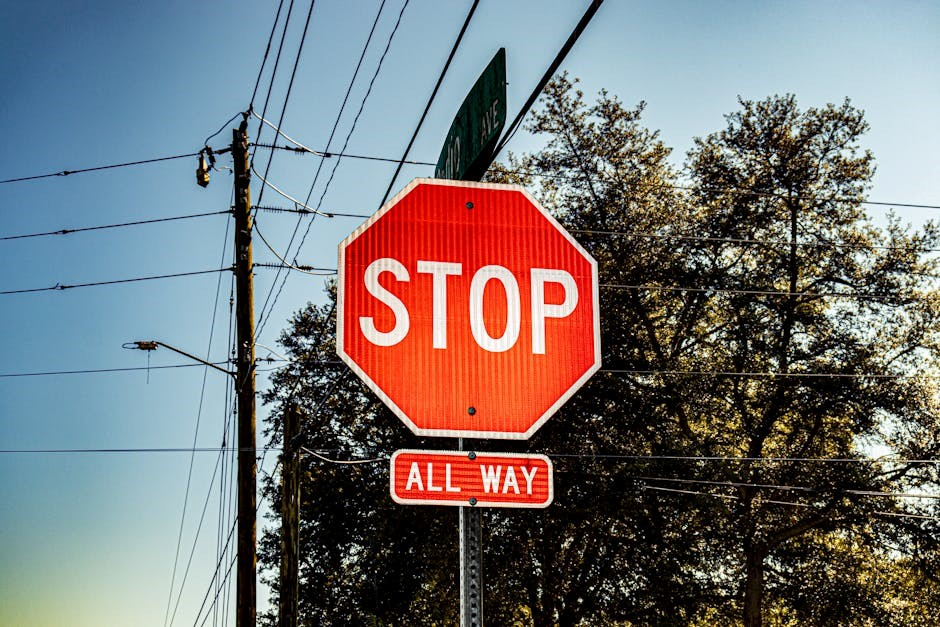
The octagonal red stop sign demands complete cessation of movement. Drivers must come to a full stop at the marked stop line, before the crosswalk, or before entering the intersection if no markings exist. Proceed only when safe, yielding to pedestrians and cross-traffic.
Incorrectly interpreting or disregarding a stop sign is a serious traffic violation. Practice identifying stop signs in various conditions and scenarios. Mastering this fundamental regulatory sign is crucial for preventing accidents and demonstrating responsible driving habits during your DMV test.
Yield Signs
The triangular, red-and-white yield sign instructs drivers to prepare to stop. You must slow down and be ready to yield the right-of-way to pedestrians and approaching traffic. Unlike a stop sign, you don’t always need to come to a complete halt; proceed when it’s safe without causing others to alter their speed or direction.
Understanding yield signs is vital for navigating intersections and merging situations safely. Practice recognizing yield signs and applying the appropriate response to avoid collisions. Correctly interpreting yield signs demonstrates awareness and defensive driving skills, essential for passing your DMV exam.
Speed Limit Signs
Speed limit signs are rectangular and display the maximum legal speed allowed on that road. These signs are crucial for maintaining safe traffic flow and preventing accidents. Pay close attention, as speed limits can change frequently, especially when entering different zones like school areas or construction zones.
Exceeding the posted speed limit is a traffic violation with potentially severe consequences. Familiarize yourself with common speed limit postings and understand that adherence is paramount for responsible driving. Mastering speed limit sign recognition is key to passing your DMV road signs test successfully.
Warning Signs: Recognizing Potential Hazards
Warning signs are yellow and diamond-shaped, alerting drivers to potential dangers ahead. These signs don’t prohibit actions, but advise caution and preparedness. Common warnings include curves, intersections, pedestrian crossings, and school zones. Recognizing these signs early allows drivers to adjust their speed and driving behavior accordingly.
Understanding warning signs is vital for proactive driving and accident prevention. The DMV road signs test heavily emphasizes hazard perception, so mastering these symbols is crucial. Be prepared to identify various warning signs and interpret their specific meanings to ensure safe navigation.
Curve Warning Signs
Curve warning signs indicate upcoming bends in the road. These yellow, diamond-shaped signs often feature an arrow curving left or right, sometimes with a suggested safe speed. Drivers should reduce speed before entering the curve, as attempting to slow down mid-curve can be dangerous.
Pay close attention to advisory speed limits posted alongside curve warnings. These speeds are calculated for safe navigation under ideal conditions. Be especially cautious during inclement weather, as curves become more hazardous when roads are wet or icy. Mastering curve warning sign recognition is key for a successful DMV test.
Intersection Warning Signs
Intersection warning signs alert drivers to approaching junctions. These typically display a yellow diamond shape with symbols representing various intersection types – cross roads, T-intersections, roundabouts, or Y-intersections. Drivers should scan for oncoming traffic, pedestrians, and cyclists, preparing to yield or stop as necessary.
Be aware that some intersection signs may include additional information, such as “Yield Ahead” or “Signal Ahead.” Recognizing these signs promptly allows for safe and predictable maneuvering. Understanding intersection warnings is crucial for preventing collisions and passing your road sign knowledge test with confidence.
Pedestrian and School Zone Signs
Pedestrian and school zone signs indicate areas with increased vulnerability. These signs often feature silhouettes of walking people or children at play, signaling drivers to exercise extreme caution. School zone signs frequently include reduced speed limits, enforceable during specific hours, often indicated on the sign itself.
Drivers must be particularly vigilant for children darting into the street and always adhere to posted speed limits within school zones. Failure to do so can result in hefty fines and, more importantly, endanger lives. Recognizing these signs is vital for safe driving and test success.
Work Zone Signs: Navigating Construction Areas
Work zone signs alert drivers to road construction and maintenance ahead. These signs typically display images of construction workers or equipment, often accompanied by warnings like “Construction Ahead” or “Road Work.” Reduced speed limits are common in work zones, and drivers must obey them to ensure the safety of workers and fellow motorists.
Be prepared for lane closures, detours, and uneven road surfaces. Pay close attention to flagger signs, as flaggers have the authority to direct traffic. Ignoring work zone signs can lead to significant fines and increased risk of accidents.

Construction Ahead Signs
Construction Ahead signs are typically diamond-shaped and orange, visually preparing drivers for upcoming work zones. These signs often feature an image depicting construction activity, such as workers or machinery. They serve as an early warning, prompting drivers to reduce speed and increase awareness.

Expect potential changes in lane configurations, the presence of construction vehicles, and possible delays. Maintaining a safe following distance and avoiding distractions are crucial when approaching a construction zone indicated by these signs. Always be prepared to adjust your driving accordingly.
Flagger Signs
Flagger signs indicate the presence of a flagger directing traffic within a work zone. These signs are crucial as flaggers have the authority to stop, slow, or redirect vehicles for safety. Drivers must obey the instructions given by a flagger, even if they contradict existing traffic signals or signs.
Be prepared to stop and proceed cautiously when approaching a flagger. Maintain a safe distance and pay close attention to their hand signals. Remember, flaggers are essential for ensuring the safety of both workers and drivers in construction areas, so compliance is paramount.
Guide Signs: Direction and Information
Guide signs help drivers navigate to destinations and provide essential information about routes and services. These signs utilize colors and symbols to convey messages effectively. Destination signs display names of cities, towns, and attractions, aiding in route planning. Route markers indicate interstate, U.S., and state highways, helping drivers stay on course.
Understanding guide signs is vital for efficient and safe travel. Pay attention to the colors – green for destinations, blue for services – and familiarize yourself with common route markers. These signs are designed to make your journey smoother and more predictable.
Destination Signs
Destination signs are crucial for navigating to specific locations. Typically, these signs feature the names of cities, towns, or prominent attractions, guiding drivers towards their intended endpoint. They are often green in color, providing a clear visual cue for directional information. These signs frequently include the distance remaining to the destination, aiding in trip planning.
Successfully interpreting destination signs requires attention to detail and an understanding of highway numbering systems. Recognizing these signs helps ensure you remain on the correct route, minimizing confusion and maximizing travel efficiency.
Route Markers
Route markers are essential for identifying and following specific highways and interstates. These signs display route numbers – like I-5 or US-101 – helping drivers stay on course during long journeys. They come in various shapes and colors, often reflecting the type of road they designate; interstates typically use red, white, and blue shields.
Understanding route marker conventions is vital for successful navigation. Recognizing these signs allows drivers to anticipate upcoming exits and changes in direction, contributing to safer and more efficient travel. Pay close attention to the numbers and shield shapes!
Service Signs: Locating Amenities
Service signs are designed to help drivers locate essential amenities along the road. These signs utilize universally recognized symbols to indicate the availability of services like gas stations, rest areas, hospitals, and emergency assistance. They are typically blue in color, making them easily identifiable.
Knowing these signs can be crucial, especially during long trips or in unfamiliar areas. Recognizing symbols for fuel, food, lodging, and medical care ensures drivers can quickly find necessary resources. Prioritize safety and plan ahead by utilizing service signs effectively!
Gas Stations and Rest Areas
Identifying gas station and rest area signs is vital for comfortable and safe travel. Gas station signs typically feature a fuel pump symbol, often accompanied by brand logos. Rest area signs display symbols representing picnic tables, restrooms, and sometimes, information centers. These blue service signs are strategically placed to assist drivers needing refueling or a break.
Remember to anticipate your needs and utilize these signs proactively; Knowing where to find these amenities can prevent fatigue and ensure a smoother journey. Pay attention to distances indicated on the signs for effective trip planning!
Hospitals and Emergency Services
Recognizing signs for hospitals and emergency services is crucial in critical situations. These signs are typically blue and feature a white “H” or a caduceus symbol (a staff with two snakes). They indicate the direction and distance to nearby medical facilities, potentially life-saving information during an emergency.
Familiarize yourself with these symbols to quickly locate assistance when needed. Knowing their appearance can significantly reduce response time in urgent circumstances. Prioritize memorizing these signs for both your safety and the safety of others on the road.
Common Road Sign Mistakes to Avoid
Many drivers fail the road sign test due to preventable errors. A frequent mistake is misinterpreting warning signs, often dismissing their importance or underestimating potential hazards. Another common error involves confusing regulatory and guide signs – understanding the difference is vital for legal compliance.
Additionally, overlooking signs due to distractions or failing to anticipate upcoming signage leads to errors. Thoroughly review all sign types and practice recognizing them quickly. Avoid assumptions and always prioritize attentive driving to prevent costly mistakes on your exam and, more importantly, on the road.
Preparing for the DMV Road Signs Test
Effective preparation is key to passing your DMV road signs test. Utilize available practice tests – many offer DMV-style questions and instant results, simulating the real exam environment. Focus on understanding the meaning behind each sign, not just memorizing its appearance.
Review all sign categories: regulatory, warning, guide, and service. Consistent study and utilizing 2025 updated resources are crucial. Address any knowledge gaps identified through practice tests. Remember, responsible driving starts with a solid understanding of road signage and regulations.
Practice Tests and Resources (2025 Update)
Numerous online resources offer practice tests for the 2025 DMV road signs exam. Several platforms provide access to over 100 questions, covering all sign types – regulatory, warning, work zone, guide, and service. Look for tests with instant results to gauge your readiness.

Consider upgrading to full versions for hazard perception clips and comprehensive question banks. Free options are available, expanding your knowledge of traffic sign meanings and associated regulations. Consistent practice with updated materials is vital for success and safe driving.
Understanding UK Highway Code Road Signs
For those preparing for a UK driving test, familiarity with the Highway Code road signs is crucial. Practice tests specifically designed for the UK system are readily available online, often containing 82 questions updated for current regulations. These tests focus on interpreting signs like ‘No Stopping’ and ‘No Parking’ correctly.
Resources emphasize mastering warning, regulatory, and guide signs. Consistent practice helps build confidence and ensures a thorough understanding of the rules of the road, leading to a successful test outcome and safer driving habits.
Traffic Sign Regulations and Meanings
A solid grasp of traffic sign regulations and their precise meanings is fundamental for any driver. Numerous online resources offer free questions and answers to expand your knowledge, covering the regulations associated with diverse traffic signs.
Effective study involves understanding not just what a sign looks like, but why it’s used and the legal implications of disregarding it. Mastering these details is essential for passing the DMV test and, more importantly, for ensuring safe and responsible driving practices on the road.

French Restaurants in Seattle (Irrelevant ‒ Removed)

This section was intentionally omitted as it pertains to a completely unrelated topic – French restaurants in Seattle. The focus of this study guide remains solely on preparing for a road signs test and ensuring driver safety.
Distractions from irrelevant information can hinder effective learning. Therefore, all content unrelated to road sign comprehension, regulations, and test preparation has been excluded to maintain a focused and productive study experience. Prioritize understanding traffic laws for responsible driving.
Recent News Regarding Road Sign Comprehension (August 3, 2025)
Recent reports highlight the critical importance of road sign understanding. A case in Florida revealed a driver’s failure of both English fluency and road sign tests contributed to a tragic accident. This underscores the necessity of thorough preparation for the DMV exam and emphasizes that clear comprehension isn’t guaranteed.
Furthermore, articles from September and April 2025 note ongoing efforts to improve driver knowledge, with updated practice tests available. Language barriers pose a significant challenge, demanding accessible resources for all drivers.
Impact of Language Barriers on Road Sign Interpretation
Recent events demonstrate how crucial clear communication is for all drivers. The Florida crash involving an immigrant truck driver failing road sign and English tests highlights a serious issue. Many signs rely heavily on textual information, creating difficulties for those with limited English proficiency.
This emphasizes the need for more pictographic signs and multilingual resources. Effective road sign interpretation is vital for safety, and language barriers can significantly increase accident risk, demanding improved accessibility and inclusive testing methods.