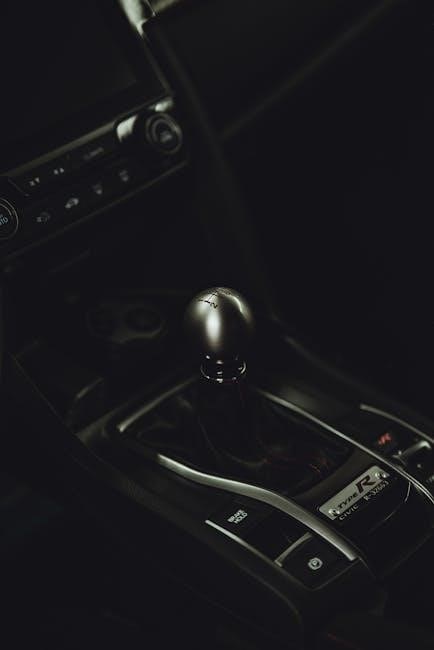
Understanding Manual Transmission Car Starts
Mastering a manual transmission launch involves coordinating clutch‚ throttle‚ and gear selection for optimal speed‚ a skill increasingly valuable in today’s automotive landscape.
The Fundamentals of a Manual Start
A successful manual start hinges on understanding the interplay between key components. Initially‚ fully depressing the clutch disengages the engine from the wheels‚ allowing for gear selection. Simultaneously‚ engaging the ignition initiates the engine’s combustion process. The core challenge lies in finding the “friction point” – where the clutch begins to re-engage‚ transmitting power.
This requires delicate throttle control‚ adding just enough gas to prevent stalling as the clutch is gradually released. Learning this coordination is fundamental‚ as it forms the basis for smooth take-offs and efficient driving. It’s a skill that enhances driver engagement and control.
Why Learn to Start a Manual Car?
Despite the rise of automatic transmissions‚ mastering a manual gearbox offers unique benefits. It fosters a deeper connection with the vehicle‚ enhancing driver engagement and control. This skill isn’t merely nostalgic; it can be practical‚ especially in situations where a manual is the only option available.
Furthermore‚ learning a manual transmission improves overall driving awareness and mechanical understanding. It’s a valuable skill for young drivers and enthusiasts alike‚ offering a rewarding and potentially fuel-efficient driving experience in models like the Honda Civic Si.
Pre-Start Checks and Preparations
Before ignition‚ confirm the vehicle is in neutral‚ adjust your seating‚ and mirrors for optimal control and a safe‚ comfortable driving position.
Ensuring the Vehicle is in Neutral
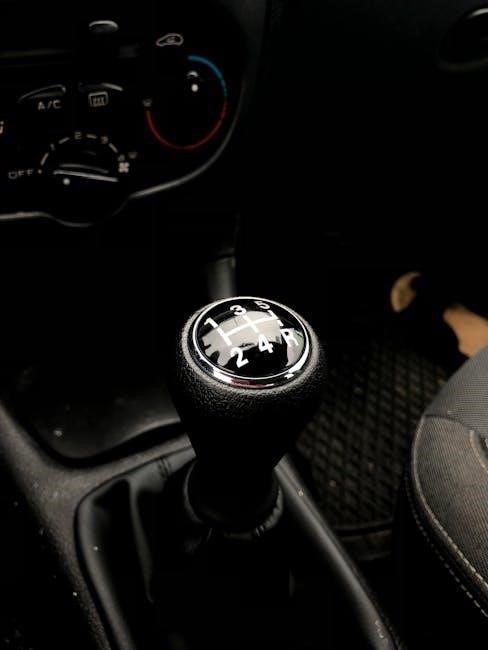
Confirming the vehicle is in neutral is paramount before attempting to start a manual transmission car. This prevents unexpected movement‚ which could lead to a dangerous situation. Gently wiggle the gearshift lever; it should move freely side to side when in neutral.
Always depress the clutch pedal fully while checking‚ as this disengages the engine from the transmission‚ further ensuring no drive force is present. A failure to verify neutral can result in the car lurching forward or backward upon startup‚ potentially causing damage or injury. Prioritize this safety check every time.
Adjusting Seat and Mirrors for Optimal Control
Proper positioning is crucial for effective manual transmission operation. Adjust the seat to allow full depression of the clutch pedal without straining. Your leg should be comfortably extended‚ maintaining control throughout the process. Simultaneously‚ adjust the rearview and side mirrors to maximize visibility‚ minimizing blind spots.
Optimal control demands a clear view of your surroundings. Ensure you can comfortably reach the steering wheel and all controls. A well-adjusted driving position enhances coordination and responsiveness‚ vital for smooth starts and overall safe driving with a manual transmission.
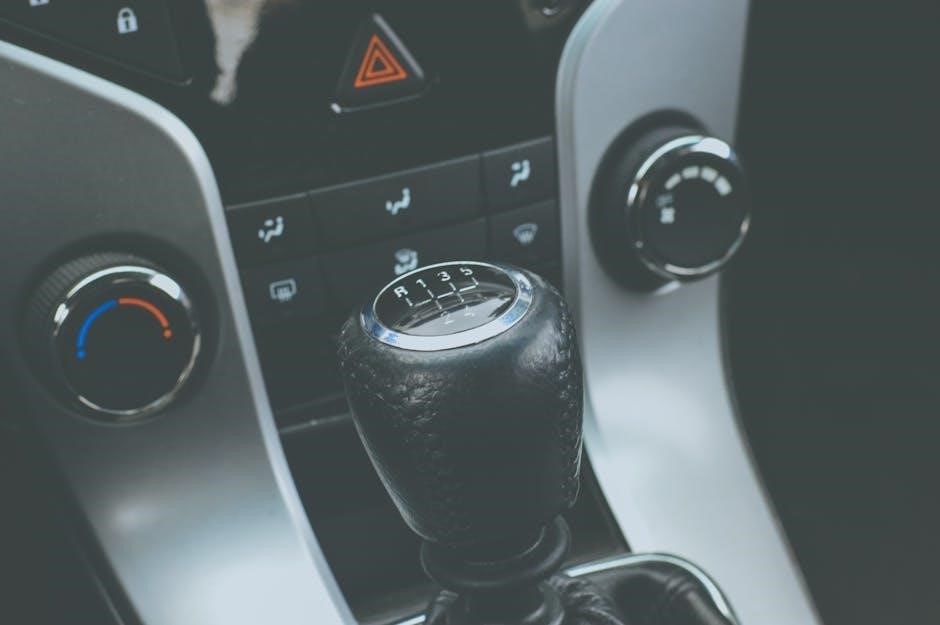
The Starting Procedure: Step-by-Step
Initiate the start by fully depressing the clutch‚ engaging the ignition‚ locating the friction point‚ and carefully applying throttle for a smooth launch.
Depressing the Clutch Pedal Fully
The initial step in starting a manual transmission vehicle centers around completely depressing the clutch pedal. This action disengages the engine from the transmission‚ allowing for gear selection without resistance. Pressing the clutch all the way to the floor ensures a clean separation‚ preventing any unwanted jolts or grinding noises. Maintaining full clutch depression is crucial throughout the subsequent steps – engaging the ignition and finding the friction point – as it provides the necessary freedom to shift gears smoothly.
Without full clutch engagement‚ attempting to start or shift would result in a stalled engine or potential damage to the drivetrain components.
Engaging the Ignition
With the clutch pedal fully depressed‚ the next step involves engaging the ignition system to start the engine. Turn the key (or press the start button) while maintaining firm pressure on the clutch. The engine will crank and‚ ideally‚ come to life. It’s important to avoid releasing the clutch at this stage; keeping it depressed prevents the car from lurching forward unexpectedly if the engine catches while still in gear.
Listen for the engine to settle into a stable idle before proceeding to the next phase – locating the friction point.
Finding the Friction Point
Slowly begin to release the clutch pedal. As you do‚ pay close attention to the engine’s sound and feel for a slight change in its behavior. The “friction point” is the spot where the engine begins to engage with the transmission‚ creating resistance. You’ll notice a subtle drop in engine RPM and a feeling of the car wanting to move forward.
Holding the clutch at this point is crucial; it’s the balance between engine power and wheel movement‚ preparing for a smooth take-off; Avoid releasing it too quickly!
Applying Throttle Control
While maintaining the clutch at the friction point‚ gently press the accelerator pedal. The goal isn’t to floor it‚ but to provide enough throttle to prevent the engine from stalling as you continue releasing the clutch. A smooth‚ progressive application of throttle is key – think of it as a delicate dance between your feet.
Too little throttle and the engine will bog down; too much‚ and you risk a jerky start or wheelspin. Finding the sweet spot requires practice and coordination.
Smooth Take-Off Techniques
Successfully launching requires synchronizing clutch release with throttle input‚ avoiding stalls and jerks‚ ultimately delivering a controlled and comfortable driving experience;
Coordinating Clutch Release and Throttle Application
The key to a smooth start lies in the delicate balance between releasing the clutch and applying throttle. As you slowly lift your foot from the clutch‚ gently press the accelerator. This introduces power as the clutch engages‚ preventing stalling. Finding the “friction point” – where the engine begins to grip – is crucial.
Too much throttle and you’ll likely lurch forward; too little‚ and the engine will bog down. Practice finding this sweet spot‚ aiming for a seamless transition. Smoothness comes from gradual‚ coordinated movements‚ not abrupt actions. Remember‚ consistent practice builds muscle memory‚ making this process second nature.
Preventing Stalling: Common Mistakes
Stalling often occurs from releasing the clutch too quickly‚ or insufficient throttle input. Another frequent error is attempting to start in too high a gear; always begin in first. Failing to fully depress the clutch during gear changes can also cause a stall.
Panic often leads to abrupt movements‚ exacerbating the problem. Instead‚ focus on smooth‚ controlled actions. Remember to maintain a light‚ consistent pressure on the accelerator. Recognizing the engine’s sound – a dropping RPM – is a warning sign. Practice will help you anticipate and avoid these common pitfalls‚ building confidence.
Hill Starts: A More Advanced Technique
Successfully starting on a hill requires preventing rollback using the handbrake or refined footwork‚ demanding precise coordination of clutch‚ throttle‚ and brake control.
Using the Handbrake for Hill Starts
Employing the handbrake during hill starts is a widely recommended technique for beginners‚ offering a secure method to prevent rolling backward. First‚ engage the handbrake firmly. Then‚ follow the standard starting procedure: depress the clutch fully‚ shift into first gear‚ and gently apply throttle.
As you begin to release the clutch and find the friction point‚ gradually lower the handbrake. This coordinated action allows for a smooth transition from stationary to forward motion‚ minimizing the risk of stalling or rolling back. Practice this method in a safe‚ controlled environment to build confidence and refine your timing. Remember to fully disengage the handbrake once moving!
The “Heel-Toe” Method (Advanced)
The “heel-toe” technique‚ favored by performance drivers‚ allows for simultaneous downshifting and throttle blipping during braking. This maintains engine speed‚ ensuring smoother gear changes and preventing unsettling weight transfers. It requires precise footwork – using the heel to blip the throttle while braking with the toe.
Mastering this skill demands considerable practice‚ as it involves independent control of multiple pedals. While complex‚ heel-toe downshifting enhances driving precision and control‚ particularly during aggressive cornering. It’s a technique best learned after solidifying fundamental manual driving skills.
Troubleshooting Common Starting Issues
Addressing stalls or clutch slippage requires diagnosing the root cause – often driver error‚ but potentially indicating underlying mechanical problems needing professional attention.
Dealing with Stalling
Stalling is a common frustration for new manual drivers‚ typically occurring when the engine doesn’t receive enough throttle during clutch engagement. Don’t panic! Immediately depress the clutch fully to prevent further rollback. Then‚ return the ignition key to the “start” position to restart the engine.
Analyze what caused the stall – was there insufficient throttle‚ or was the clutch released too quickly? Practice finding that “friction point” where the engine begins to engage. Repeated stalling isn’t a sign of failure‚ but an opportunity to refine coordination between your feet and the vehicle’s response.
Addressing Clutch Slippage
Clutch slippage manifests as the engine revving higher without a corresponding increase in vehicle speed‚ often feeling like a loss of power. This indicates the clutch isn’t fully engaging with the flywheel. While some initial slippage is normal during take-off‚ prolonged or excessive slippage signals a potential issue.
Ensure you’re fully releasing the clutch pedal and applying sufficient throttle. If slippage persists‚ it could indicate a worn clutch disc‚ contaminated clutch material (oil or grease)‚ or a problem with the clutch hydraulics. Professional inspection and repair may be necessary to restore proper clutch function.
Identifying Potential Mechanical Problems
Persistent starting difficulties‚ beyond simple stalling or slippage‚ can point to underlying mechanical issues. Grinding noises during gear changes often suggest worn synchronizers within the transmission. Difficulty selecting gears‚ or gears popping out‚ may indicate internal damage to the shift linkage or gear forks.
Unusual vibrations or noises emanating from the transmission itself warrant immediate attention. A failing throw-out bearing can cause a squealing sound when the clutch pedal is depressed. Ignoring these symptoms can lead to more extensive and costly repairs‚ potentially requiring a transmission rebuild or replacement.
Modern Manual Transmissions & Features
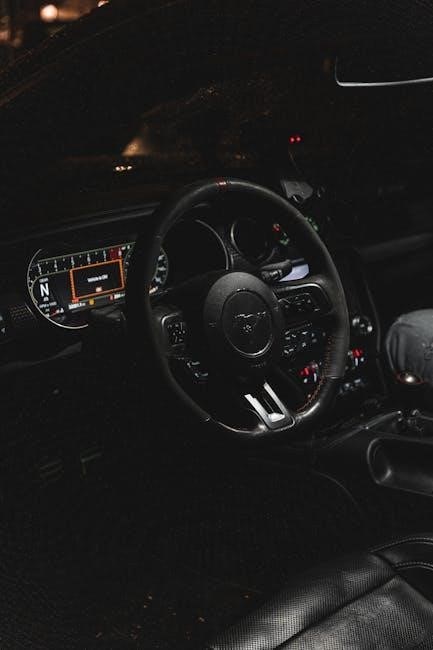
Contemporary manual transmissions increasingly incorporate features like rev-matching assistance‚ enhancing the driving experience and simplifying smooth gear transitions for all skill levels.
Rev Matching Explained
Rev matching is a technique drivers employ to synchronize engine speed with the transmission’s output speed during gear changes. This process involves briefly increasing the engine’s RPMs (revolutions per minute) with the throttle while the clutch is disengaged‚ preparing the engine for the next gear.
Successfully rev matching results in smoother‚ more seamless shifts‚ reducing jerkiness and minimizing wear on the clutch and drivetrain components. It’s particularly useful for downshifting‚ preventing abrupt engine braking and maintaining vehicle stability. Mastering this skill enhances driving enjoyment and control‚ especially in performance-oriented scenarios.
Automatic Rev Matching Systems
Modern manual transmission vehicles are increasingly equipped with automatic rev matching systems‚ simplifying the driving experience for both novice and experienced drivers. These systems utilize sensors and actuators to automatically blip the throttle during downshifts‚ perfectly synchronizing engine speed with the selected gear.
This technology eliminates the need for manual rev matching‚ resulting in incredibly smooth and consistent gear changes. While some purists may view it as diminishing driver engagement‚ it undeniably enhances driving comfort and reduces the learning curve for new manual drivers‚ making the experience more accessible.
The Benefits of Driving a Manual Transmission
Driving a manual transmission fosters enhanced driver engagement‚ potentially improving fuel efficiency‚ and provides a uniquely connected experience behind the wheel.
Enhanced Driver Engagement
A manual transmission demands active participation from the driver‚ transforming the act of driving into a more immersive and rewarding experience. Unlike automatic systems‚ you directly control gear selection‚ fostering a stronger connection with the vehicle’s mechanics. This heightened involvement requires focused attention and precise coordination‚ sharpening reflexes and increasing awareness of the road.
The deliberate act of shifting gears‚ finding the friction point‚ and managing throttle input creates a sense of control often absent in automated driving. This isn’t merely about operating a machine; it’s about actively driving it‚ making every journey more engaging and enjoyable for enthusiasts.
Improved Fuel Efficiency (Potential)
Historically‚ manual transmissions offered a fuel efficiency advantage over automatics‚ though modern automatic technology has narrowed this gap. A skilled manual driver can optimize gear selection for engine efficiency‚ maintaining the engine within its optimal RPM range. This proactive control allows for minimizing unnecessary fuel consumption during acceleration and cruising.
However‚ realizing this potential requires conscious effort; aggressive driving or improper shifting can negate any benefits. While not a guaranteed outcome‚ a manual transmission empowers drivers to influence fuel economy through their driving technique‚ offering a potential advantage.

Manual Transmissions in Modern Cars
Despite declining popularity‚ select manufacturers still offer manual transmissions‚ like the 2026 Honda Civic Si‚ catering to enthusiasts who value driver engagement.
Examples of Current Cars with Manual Options (e.g.‚ Honda Civic Si)
Currently‚ the availability of manual transmissions is becoming increasingly limited‚ yet several manufacturers continue to cater to driving purists. The Honda Civic Si‚ starting at $30‚995‚ remains a popular choice‚ offering a rewarding and engaging driving experience. Beyond Honda‚ Mazda provides manual options in models like the MX-5 Miata‚ a lightweight sports car celebrated for its handling.
Other examples include certain trims of the Subaru BRZ and Toyota GR86‚ both rear-wheel-drive sports coupes. While the selection isn’t vast‚ these vehicles demonstrate a commitment to preserving the manual transmission for those who appreciate the added control and connection it provides to the driving experience.
The Future of Manual Transmissions
The long-term outlook for manual transmissions is uncertain‚ facing pressure from the rise of electric vehicles and the dominance of automatic transmissions with advanced features. While demand is dwindling‚ a dedicated enthusiast base continues to support their existence. Manufacturers may continue offering manuals in niche sports cars to satisfy this demand‚ but widespread availability seems unlikely.
Innovations like automatic rev-matching systems attempt to bridge the gap‚ offering some of the control of a manual with the ease of an automatic. However‚ the fundamental appeal of a manual – driver engagement – remains unique‚ potentially ensuring its survival in some form for years to come.
Safety Considerations for Manual Starts
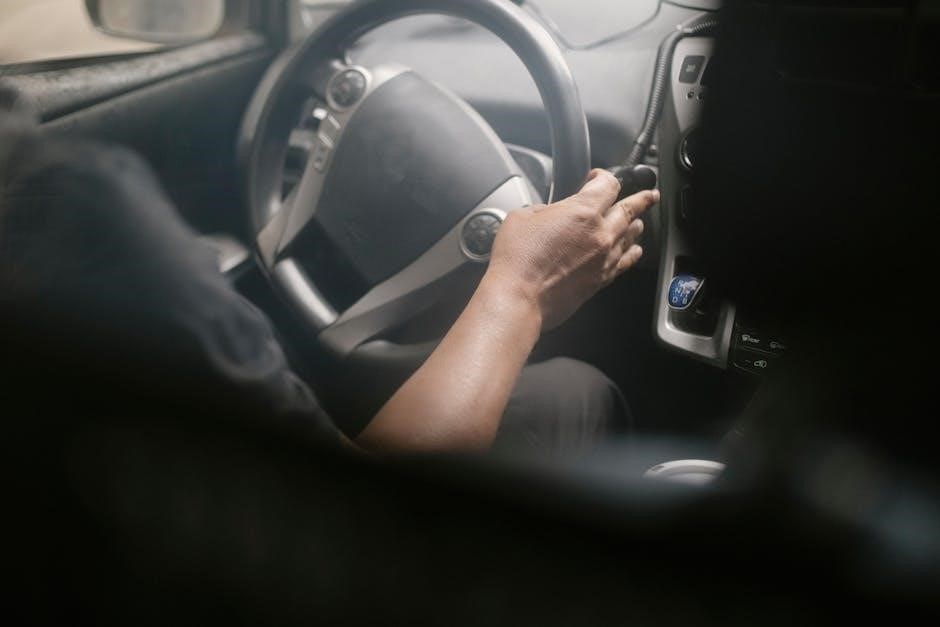
Prioritize awareness of surroundings and maintain proper foot placement during manual starts to prevent unintended movement and ensure a controlled‚ safe launch.
Awareness of Surroundings
Before initiating a manual start‚ a comprehensive scan of your surroundings is paramount for safety. This includes checking mirrors for pedestrians‚ cyclists‚ and other vehicles‚ as well as visually confirming a clear path ahead and behind. Be particularly vigilant in parking lots or areas with increased foot traffic.
Ensure there are no obstructions that could impede your movement. A quick assessment minimizes the risk of collisions during the initial acceleration phase. Remember‚ a manual transmission requires more driver attention‚ so heightened situational awareness is crucial for a secure start and overall driving experience.
Proper Foot Placement
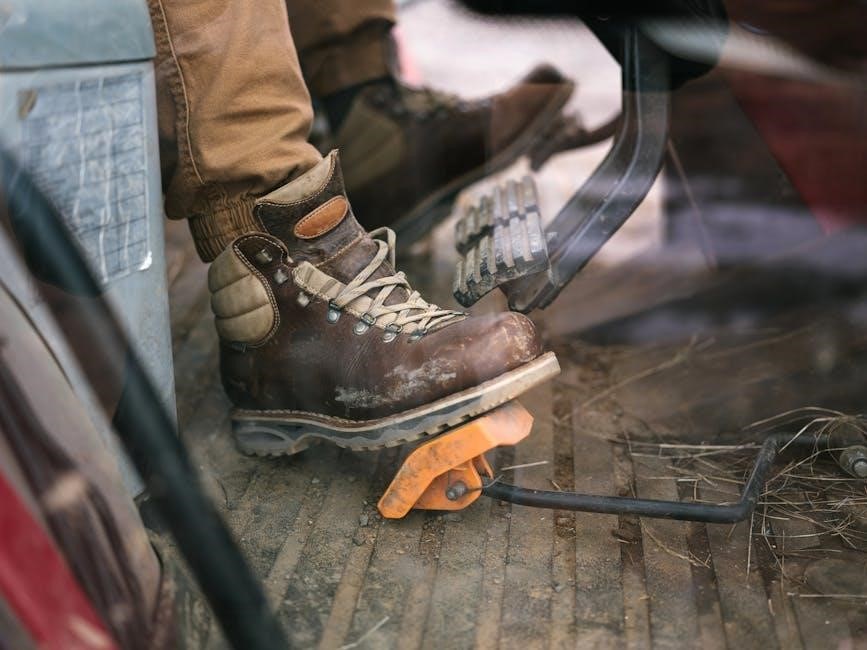
Correct foot positioning is fundamental for smooth manual starts. The left foot should fully depress the clutch pedal‚ ensuring complete disengagement of the engine from the transmission. Simultaneously‚ the right foot should hover over the accelerator‚ prepared for precise throttle control.
Avoid resting the right foot on the brake pedal during the clutch engagement process. Maintaining this separation allows for swift and coordinated movements. Proper heel placement on the floor can aid stability. Consistent practice will build muscle memory for efficient and safe manual operation.
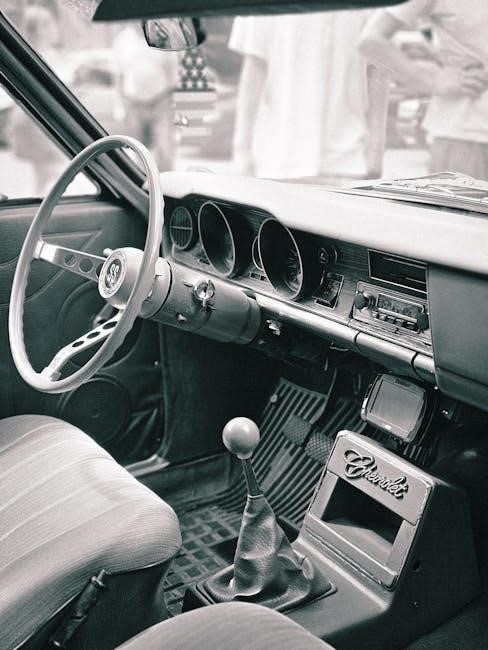
Practice and Refinement
Consistent practice in a safe environment is key to mastering manual starts‚ gradually building skill and confidence through repetition and focused refinement.
Finding a Safe Practice Area
Selecting an appropriate practice location is paramount when learning manual transmission starts. Ideally‚ choose a large‚ flat‚ and empty parking lot‚ free from obstacles‚ pedestrians‚ and other vehicles. This minimizes distractions and potential hazards during the learning process. Avoid areas with even slight inclines initially‚ as hill starts introduce an additional layer of complexity.
Ensure the surface provides good traction‚ especially in inclement weather. A smooth‚ paved surface is preferable. Before beginning‚ thoroughly inspect the area for any debris or potential obstructions. Remember‚ the goal is to create a controlled environment where you can focus solely on coordinating the clutch‚ throttle‚ and gear changes without external pressures or risks.
Gradual Progression of Skill
Developing proficiency in manual transmission starts requires a patient and incremental approach. Begin by focusing solely on smoothly engaging the clutch and applying gentle throttle‚ aiming for consistent‚ stall-free launches. Once comfortable with the basic motion‚ gradually increase speed and practice coordinating the clutch release with throttle application.
Progress to slightly inclined surfaces‚ mastering the handbrake technique before attempting hill starts without assistance. Don’t rush the process; prioritize smooth transitions over speed. Consistent practice builds muscle memory and confidence‚ ultimately leading to a natural and intuitive feel for the vehicle’s response.