
Car Emergency Kit Checklist: A Comprehensive Guide (Updated 12/16/2025)
Today, December 16th, 2025, prioritize vehicle safety with a free, printable car survival kit checklist! Ensure preparedness for winter and beyond, covering first aid and essential tools.
Unexpected events on the road – from minor breakdowns to severe weather – demand preparedness. A well-stocked car emergency kit isn’t merely a suggestion; it’s a vital safety measure for you and your passengers. Having essential supplies readily available can significantly mitigate the impact of stressful situations, potentially preventing them from escalating into dangerous ones.
Consider the peace of mind knowing you have tools for basic repairs, first aid for injuries, and comfort items during delays. A printable checklist, like the one available today, simplifies the process of assembling and maintaining your kit, ensuring you’re always ready for the unexpected journey ahead.
Essential Categories for Your Kit
Building a comprehensive car emergency kit involves thoughtfully organizing supplies into key categories. Prioritize safety and visibility with flares and a high-visibility vest. First aid is crucial, including bandages, antiseptic wipes, and pain relievers, alongside personal medications. Don’t forget tools like jumper cables and a multi-tool for minor repairs.
Communication relies on a power bank and car charger. Comfort and survival items – blankets, water, and non-perishable food – are essential for extended delays. Finally, tailor your kit with seasonal items, like an ice scraper for winter conditions, using a handy checklist.

I. Safety & Visibility
Ensure roadside safety with flares or reflective triangles and a high-visibility vest. A whistle and a reliable flashlight with extra batteries are also vital components.
Flares or Reflective Triangles
Flares and reflective triangles are crucial for alerting other drivers to your disabled vehicle, especially during low-visibility conditions like nighttime or inclement weather. These devices create a visible warning, significantly reducing the risk of secondary accidents. Ensure your kit includes at least three flares or reflective triangles, and familiarize yourself with their proper deployment procedures.
Regularly check the expiration dates on flares, as they have a limited shelf life. Reflective triangles are a durable alternative, requiring no maintenance. Positioning these correctly – a significant distance behind the vehicle – is paramount for maximum effectiveness and driver safety.
High-Visibility Vest
A high-visibility vest is a vital component of your car emergency kit, dramatically increasing your visibility to other motorists when you’re outside your vehicle. This is particularly important when changing a tire, inspecting damage, or waiting for assistance on a busy roadway. Choose a vest that meets ANSI/ISEA standards for optimal reflectivity.
Ensure the vest fits properly and is easily accessible within your kit. Having multiple vests is advisable if you frequently travel with passengers. Don’t underestimate the power of being seen – a high-visibility vest could be the difference between safety and a tragic incident.
Whistle
A simple, yet incredibly effective, addition to your car emergency kit is a whistle. In situations where you require assistance but are unable to shout effectively – due to injury, distance, or environmental conditions – a whistle can project your location over a significant distance.
Choose a loud, pealess whistle for reliability. Practice using it so you’re familiar with its sound. A whistle is lightweight, inexpensive, and could be crucial for signaling for help if stranded. It’s a small item with potentially life-saving implications, making it a must-have.
Flashlight (with extra batteries)

A reliable flashlight is paramount in any car emergency kit, especially during nighttime breakdowns or inclement weather. Opt for a durable, LED flashlight as they are energy-efficient and long-lasting. Crucially, don’t forget to pack extra batteries! Battery life can diminish in cold temperatures, rendering a flashlight useless when you need it most.
Consider a hand-crank or shake-powered flashlight as a backup, eliminating the reliance on batteries altogether. Ensure the flashlight has a focused beam for signaling and illuminating potential hazards.

II. First Aid & Medical Supplies
Prioritize health with a comprehensive first aid kit, including bandages, antiseptic wipes, gauze, tape, pain relievers, and anti-nausea medication for children’s comfort.
Comprehensive First Aid Kit
A well-stocked first aid kit is paramount for addressing injuries on the road. Include a variety of adhesive bandages to cover minor cuts and scrapes, alongside antiseptic wipes for cleaning wounds and preventing infection. Don’t forget gauze pads and medical tape for larger wounds or securing dressings.
Pack both adult and child pain relievers to manage discomfort, and crucially, include anti-nausea medication specifically formulated for children, as car sickness is common. Remember to also consider personal medications needed by family members, ensuring they are readily accessible within the kit for immediate use during emergencies.
Adhesive Bandages (Various Sizes)
Having an assortment of adhesive bandages is crucial for treating minor cuts, scrapes, and blisters that can occur during travel or in emergency situations. Include various sizes – from small, standard bandages for fingertip injuries to larger, waterproof options for more substantial wounds.
Consider including blister-specific bandages for foot discomfort, and fabric bandages for increased flexibility and comfort. Ensure the adhesive is strong enough to stay in place, even with movement, and that the bandages are individually wrapped to maintain sterility until needed.
Antiseptic Wipes
Essential for cleaning wounds before bandaging, antiseptic wipes help prevent infection. Choose individually wrapped wipes containing benzalkonium chloride or alcohol to effectively kill germs. Ensure they are non-irritating to the skin, especially for children.
Pack a sufficient quantity – at least 20 wipes – to handle multiple minor injuries. These are vital for roadside repairs where cleanliness might be compromised, too. Consider wipes with added aloe vera or vitamin E for soothing properties. Proper wound care is paramount in emergency scenarios.
Gauze Pads & Tape
Sterile gauze pads are crucial for dressing wounds, controlling bleeding, and protecting injuries from contamination. Include various sizes – 2×2, 4×4 inches – to accommodate different wound dimensions. Combine these with medical tape, preferably hypoallergenic, to secure the gauze in place.
Ensure the tape is strong enough to stay put during movement, yet gentle on the skin. Consider including adhesive bandages in addition to gauze and tape for smaller cuts. Proper wound coverage minimizes infection risk and promotes healing.
Pain Relievers (Adult & Child)
Include both adult and child-specific pain relievers in your kit, addressing potential injuries or illnesses. Acetaminophen or ibuprofen are suitable for adults, while a children’s formulation is essential for younger passengers.
Clearly label each medication and note dosage instructions. Consider allergies and pre-existing conditions when selecting pain relievers. Remember, these are for temporary relief until professional medical attention can be obtained. Always prioritize safety and responsible medication use.
Anti-Nausea Medication (for children)
Motion sickness can quickly ruin a trip, especially for children. Pack a child-appropriate anti-nausea medication, like dimenhydrinate or meclizine, to alleviate discomfort during unexpected delays or rough road conditions.
Consult your pediatrician for recommended dosages based on your child’s age and weight. Ensure the medication is clearly labeled and stored safely. Having this readily available can prevent distress and make a challenging situation more manageable for everyone involved.
Personal Medications
Don’t overlook the critical importance of including personal medications in your car emergency kit. This encompasses prescriptions for conditions like asthma, allergies, diabetes, or heart problems. Pack an ample supply – at least a three-day reserve – to account for unforeseen delays.
Clearly label all medications with dosage instructions and any allergy information. Consider a waterproof container to protect them from damage. A list of medications and allergies should also be readily accessible for first responders.
III. Tools & Vehicle Repair
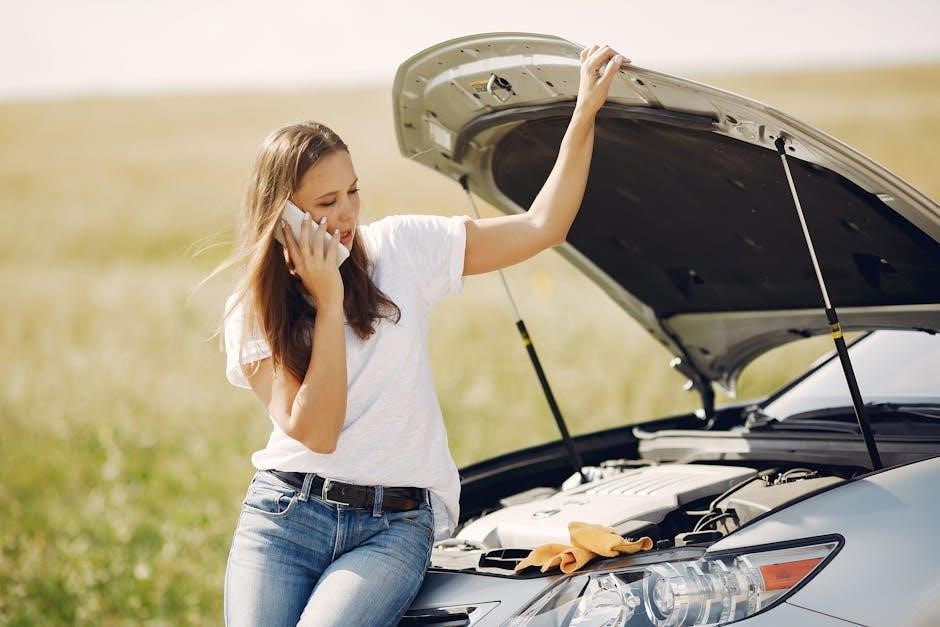
Essential tools like jumper cables, a tire pressure gauge, a multi-tool, and duct tape are vital for roadside repairs and unexpected vehicle issues.
Jumper Cables (Extra-Long Recommended)
Having a set of jumper cables is absolutely crucial for dealing with a dead battery, a surprisingly common roadside issue. Opt for extra-long cables – at least 6-8 feet – as this provides greater flexibility when positioning vehicles for a jump start.
This is especially important if you frequently park in tight spaces or aren’t always able to easily align your car with another vehicle. Ensure the cables are heavy-duty and in good condition, with fully insulated clamps to prevent shorts. Regularly inspect them for corrosion or damage before relying on them in an emergency.
Tire Pressure Gauge
Maintaining proper tire pressure is vital for safety, fuel efficiency, and tire longevity. A reliable tire pressure gauge is a small but incredibly important addition to your car emergency kit. Check your tire pressure regularly, especially during temperature changes, as pressure fluctuates with the weather.
Underinflated tires can lead to blowouts, reduced handling, and increased stopping distances. A digital gauge offers precise readings, while a traditional stick gauge is a dependable backup. Knowing your vehicle’s recommended PSI (found on the driver’s side doorjamb) is key.
Multi-Tool or Knife
A versatile multi-tool or a sturdy knife is an invaluable asset in any car emergency kit. These tools can handle a surprising range of tasks, from cutting seatbelts in an accident to repairing minor vehicle issues. Look for a multi-tool with pliers, screwdrivers, a knife blade, and potentially a saw.
A dedicated knife is also useful for various cutting needs. Ensure the blade is securely locked when in use and stored safely when not. Prioritize quality and durability for reliable performance when you need it most.
Duct Tape
Don’t underestimate the power of duct tape! This seemingly simple item is surprisingly versatile for temporary repairs. It can fix cracked hoses, secure loose parts, or even patch a damaged windshield temporarily until professional help arrives.
Choose a high-quality, heavy-duty duct tape for maximum effectiveness. Store it in a waterproof container to prevent it from becoming sticky and unusable. A small roll takes up minimal space but offers significant problem-solving potential in an emergency situation.
Work Gloves
Protect your hands when dealing with vehicle repairs or roadside assistance with a sturdy pair of work gloves. Changing a tire, adjusting jumper cables, or clearing debris can be rough on your skin. Gloves provide a barrier against cuts, scrapes, and the cold.
Opt for gloves that offer a good grip and dexterity. Leather or synthetic materials are excellent choices. Ensure they fit comfortably to allow for precise movements while working. Store them alongside your tools for easy access during emergencies.

IV. Communication & Information
Stay connected and informed with a fully charged power bank, car charger, and local maps—essential for navigation and contacting help when stranded.
Fully Charged Power Bank
A fully charged power bank is a lifeline when your vehicle’s battery is depleted or you’re stranded without access to a traditional power source. Modern smartphones are crucial for communication, accessing maps, and contacting emergency services.
Ensure your power bank is capable of multiple charges and is regularly tested to maintain its capacity. Consider a model with built-in flashlight functionality for added utility. Don’t forget to charge the power bank itself periodically, even when not actively using it, to guarantee readiness during an unforeseen emergency situation.
Car Charger for Mobile Phone
A car charger for your mobile phone is an indispensable component of any comprehensive car emergency kit. While a power bank offers temporary charging, a car charger provides a continuous power source when the engine is running.
This ensures you can maintain communication, access navigation apps, and potentially call for assistance without depleting a power bank’s limited capacity. Invest in a high-quality charger compatible with your phone’s charging port and consider a multi-port charger to power multiple devices simultaneously.
Local Maps
In emergency situations where cell service is unavailable, reliable local maps become invaluable. Digital navigation relies on connectivity, making physical maps a crucial backup. Include detailed road maps of the areas you frequently travel, as well as maps of potential detour routes.
Familiarize yourself with map reading basics before an emergency arises. Consider waterproof or laminated maps for durability. These maps provide a vital means of orientation and navigation when technology fails, ensuring you can find your way to safety or assistance.
V. Comfort & Survival Items
Pack emergency blankets, bottled water, non-perishable foods like energy bars, and seasonal clothing for comfort. Don’t forget toiletries, diapers, and wipes if needed!
Emergency Blanket
An emergency blanket is a crucial component of any well-stocked car emergency kit, offering vital protection against hypothermia in cold weather or providing warmth after a traumatic event. These blankets are typically made from reflective materials like Mylar, designed to retain up to 90% of body heat.
Compact and lightweight, they easily fit into any vehicle without taking up significant space. Consider including multiple blankets, especially if traveling with family or in regions prone to extreme temperatures. Beyond warmth, an emergency blanket can also serve as a signaling device due to its reflective surface, potentially aiding in rescue efforts.
Water (Bottled)
Hydration is paramount in any emergency situation, making bottled water an indispensable item for your car emergency kit. The general recommendation is to store at least one gallon of water per person, per day, for a minimum of three days. Opt for sealed, commercially bottled water to ensure purity and prevent contamination.
Consider the climate; in hotter regions, you may need to increase the amount of water stored. Regularly check the expiry dates on bottled water and replace it as needed. Water is essential for maintaining bodily functions and preventing dehydration, especially if stranded for an extended period.
Non-Perishable Food (Energy Bars, Dried Fruit)
Alongside water, non-perishable food is crucial for sustaining energy levels during an emergency. Energy bars, dried fruit, and other compact, high-calorie snacks are ideal choices. Select foods with a long shelf life and that require no cooking or refrigeration.
Aim for a three-day supply per person. Consider dietary restrictions or allergies when choosing food items. Regularly check expiry dates and rotate your stock to ensure freshness. Having readily available food can significantly improve morale and physical well-being if you’re unexpectedly delayed.
Extra Clothing (Seasonal Appropriate)
Pack extra clothing suitable for the prevailing and potential weather conditions. This includes hats, gloves, scarves, and warm socks, especially during colder months. A change of clothes for each occupant, including children, is highly recommended.
Waterproof or water-resistant outer layers are beneficial in wet climates. Consider including emergency blankets for added warmth. Ensure clothing is packed in a waterproof bag to stay dry. Having appropriate attire can prevent hypothermia and significantly improve comfort during a prolonged emergency.
Toiletries & Hygiene Items
Maintain basic hygiene during emergencies with essential toiletries. Include toilet paper, hand sanitizer, and moist towelettes. For families with young children, pack diapers, baby wipes, and diaper rash cream. An emergency toilet kit – two zip-top bags, toilet paper, and sanitizer – is crucial for older children.
Don’t forget a small first-aid kit for minor cuts and scrapes. Consider feminine hygiene products and any personal toiletries needed for comfort and sanitation during unexpected delays.
Toilet Paper & Hand Sanitizer
Basic sanitation is vital during roadside emergencies. Pack a small roll of toilet paper, sealed in a waterproof bag to prevent moisture damage. Complement this with a bottle of hand sanitizer, ideally alcohol-based, for maintaining hygiene after using the restroom or handling potentially contaminated surfaces.
Consider moist towelettes as an alternative or addition. These items are often overlooked but can significantly improve comfort and prevent the spread of germs during unexpected delays.
Diapers & Wipes (if applicable)
For families traveling with infants or toddlers, including diapers and baby wipes is crucial. Pack an ample supply of diapers, considering potential delays. Unscented baby wipes are versatile for cleaning hands, faces, and surfaces.
Don’t forget diaper rash cream to prevent irritation during extended periods in diapers. A change of clothes specifically for the child is also essential, alongside disposal bags for soiled diapers, maintaining hygiene and comfort on the road.
Change of Clothes (for children)
Pack a complete change of clothes for each child traveling in the vehicle. Accidents happen, and having spare outfits ensures comfort and dignity during unexpected situations. Include seasonally appropriate clothing – consider layers for fluctuating temperatures.
Think beyond just clothes; pack extra underwear and socks. A waterproof jacket or poncho can be invaluable during inclement weather. Having these items readily available minimizes stress and keeps children comfortable, especially during extended delays or emergencies.

VI. Seasonal Considerations (Winter Kit Focus)
Winter driving demands extra preparation! Include an ice scraper, snow brush, folding shovel, and traction aids like sand or kitty litter in your kit.
Ice Scraper & Snow Brush
During winter months, visibility is paramount, and a clear windshield is non-negotiable for safe driving. A robust ice scraper is essential for removing stubborn ice buildup, while a snow brush effectively clears snow accumulation from windows, mirrors, and headlights.
Opt for a scraper with a comfortable grip and a durable blade to prevent scratching. Consider a snow brush with an extendable handle to reach all areas of your vehicle easily. Keeping these tools readily accessible within your winter car kit ensures you can quickly restore optimal visibility, even in the harshest conditions.
Shovel (Folding)
Becoming stuck in snow is a common winter hazard, and a folding shovel is an invaluable tool for extricating your vehicle. A compact, folding shovel doesn’t take up much space in your emergency kit but provides significant digging power when needed.
Choose a shovel constructed from durable materials like aluminum or reinforced plastic to withstand cold temperatures and heavy use. Use it to clear snow around tires, creating a path for traction, or to dig out a vehicle that’s become deeply buried.
Sand or Kitty Litter (for traction)
When tires lose grip on icy or snowy surfaces, traction becomes critical. Sand or non-clumping kitty litter provides a readily available solution to improve vehicle traction. Sprinkle it generously around the drive wheels to create a rougher surface, enhancing grip and helping you regain control.
These materials are lightweight and compact, making them ideal for inclusion in your car emergency kit. Always carry a sufficient quantity to address potentially slippery conditions, ensuring a safer winter driving experience.

VII. Kit Maintenance & Checklist Usage
Regularly inspect your kit every six months, verifying contents and checking expiry dates on perishable items. Utilize the printable checklist for easy tracking!
Regular Kit Inspection (Every 6 Months)
Consistent maintenance is crucial for a reliable car emergency kit. Inspect all items at least every six months to ensure functionality and completeness. Confirm that all components listed on your printable checklist are present and in good working order.
Specifically, check the condition of flares, batteries in flashlights, and the integrity of first aid supplies. Replace any expired or damaged items immediately. A proactive approach guarantees your kit is ready when you need it most, providing peace of mind during unexpected roadside situations.
Expiry Date Checks
Maintaining a usable car emergency kit requires diligent expiry date monitoring; Regularly review all perishable items, including medications, antiseptic wipes, and even food supplies like energy bars. Discard anything past its expiration date, as effectiveness diminishes over time.
Your printable checklist should include space to record expiry dates for easy tracking. Prioritize replacing these items promptly to ensure your kit provides reliable support during emergencies. Don’t compromise safety – an expired product is often as good as having none at all.
Printable Checklist Availability
To simplify your preparedness, a free printable version of this comprehensive car emergency kit checklist is readily available. Download and print this resource to easily track your kit’s contents and ensure nothing is overlooked during inspections.
Keep a copy in your vehicle’s glove compartment for quick reference. This checklist serves as a valuable tool for both initial kit assembly and ongoing maintenance. Regularly updating your kit based on this printable guide guarantees you’re always prepared for unexpected roadside challenges.